
The Asian Civilisations Museum — or ACM as most people call it — is one of Singapore’s national museums. It sits right along the Singapore River at Empress Place and it’s dedicated to the history and cultures of Asia.
I visited recently and went through all the galleries across (except for two that were closed that day). This is a guide to what’s inside, written in the order I walked through it, so you know what to expect before you go.
Asian Civilisations Museum Singapore: What to Expect Before You Go
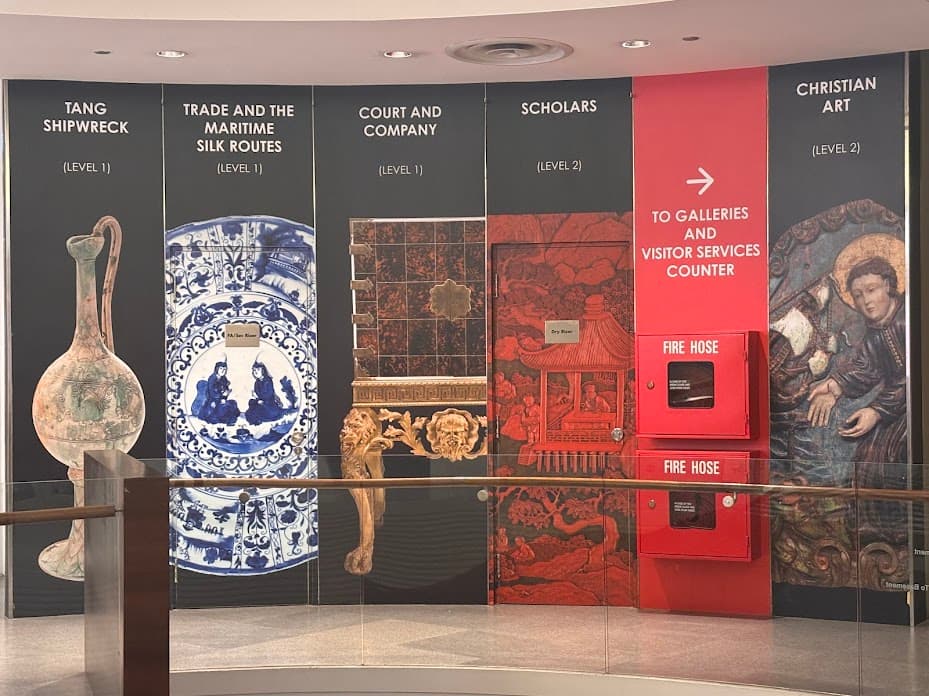
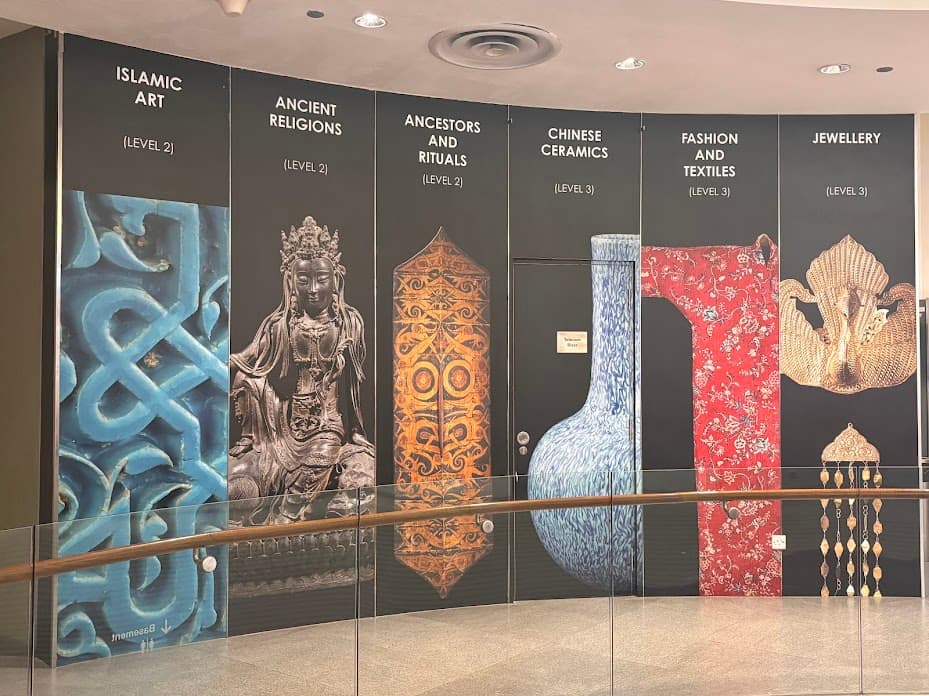
LEVEL 1 – TRADE
Gallery 1: The Tang Shipwreck
Gallery 2: Maritime Trade
Gallery 3: Court and Company
LEVEL 2 – FAITH AND BELIEF
Gallery 4: Ancestors and Rituals
Gallery 5: Ancient Religions
Gallery 6: Christian Art
Gallery 7: The Scholars Gallery
LEVEL 3 – MATERIALS and DESIGN
Gallery 8: Jewellery
Gallery 9: Ceramics
Level 1 — Trade
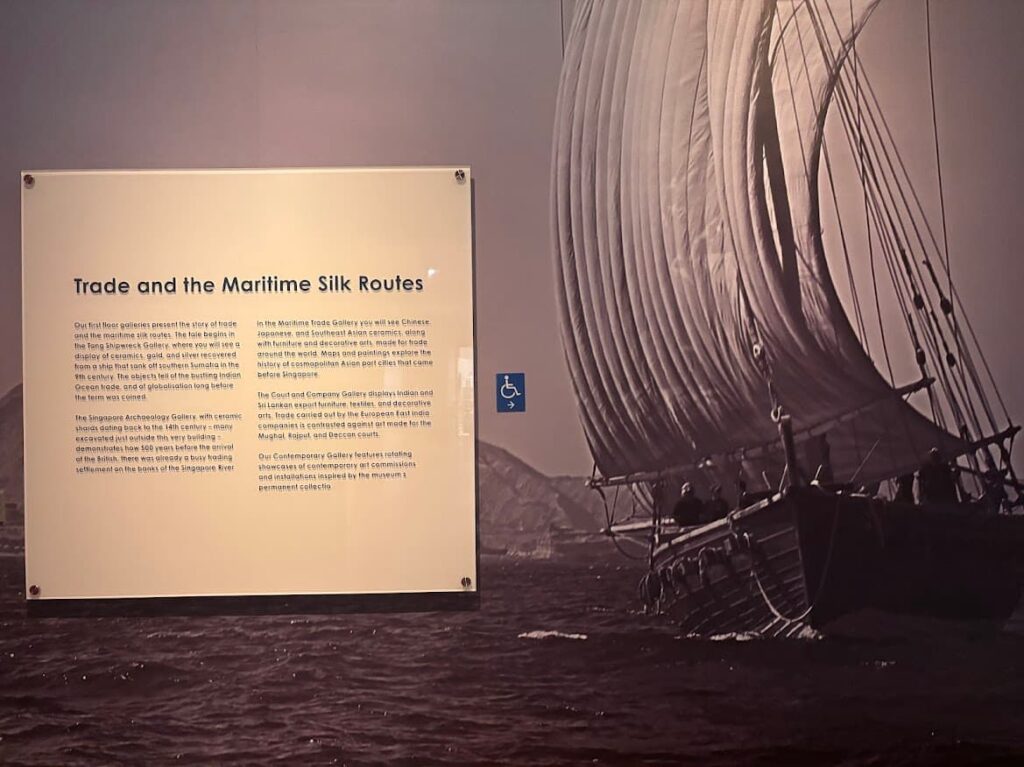
Level 1 is all about trade and the sea routes that connected Asia to the rest of the world. The three galleries here trace how goods, ideas, and art moved between the Middle East, India, Southeast Asia, China, and later Europe.
Gallery 1: The Tang Shipwreck
This is the first gallery you walk into and it is also the highlight of the museum.
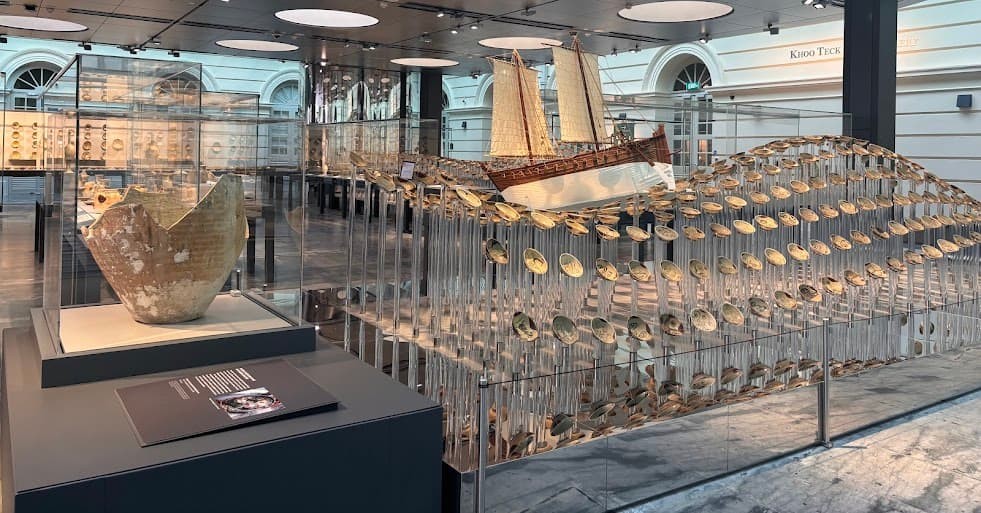
Located inside the Khoo Teck Puat Gallery, the Tang Shipwreck section was one of the most fascinating parts of the museum for me.
Nearly 1,100 years ago, an Arab trading ship carrying precious cargo sailed from China before sinking near Sumatra. The shipwreck remained underwater for centuries until it was accidentally discovered in 1998. What amazed me most was realising that this ship had already connected the Middle East, India, Southeast Asia, and China over a thousand years ago.
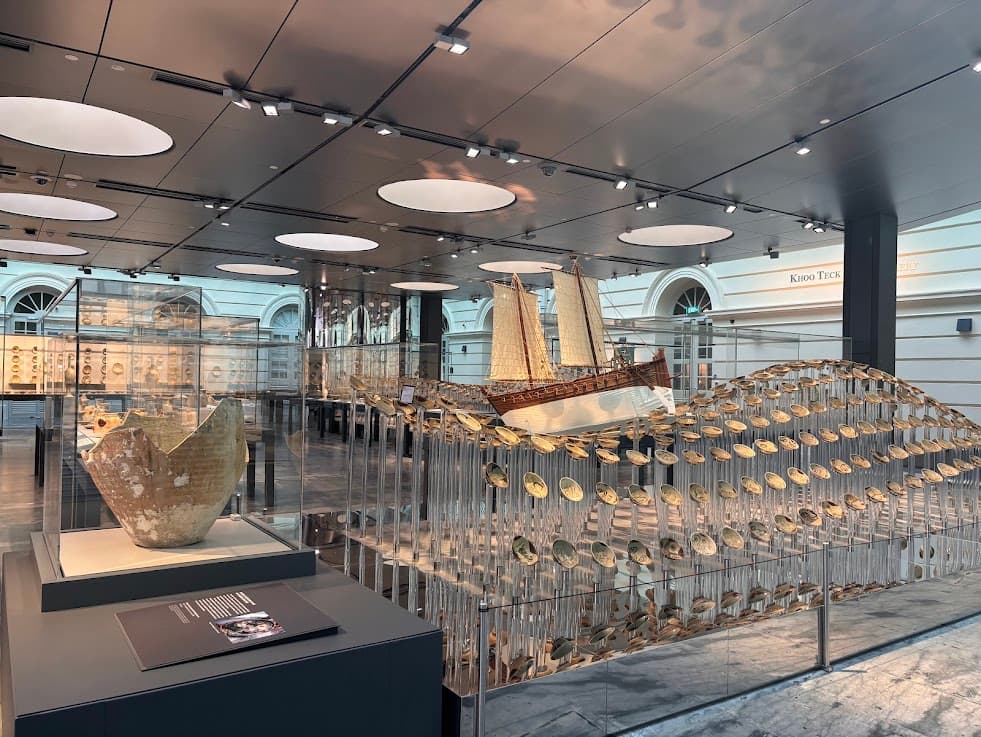
The ship itself was built using a sewn-plank technique commonly used in the Persian Gulf, showing that the vessel likely travelled all the way from the Middle East to southern China to collect goods before making its return journey.
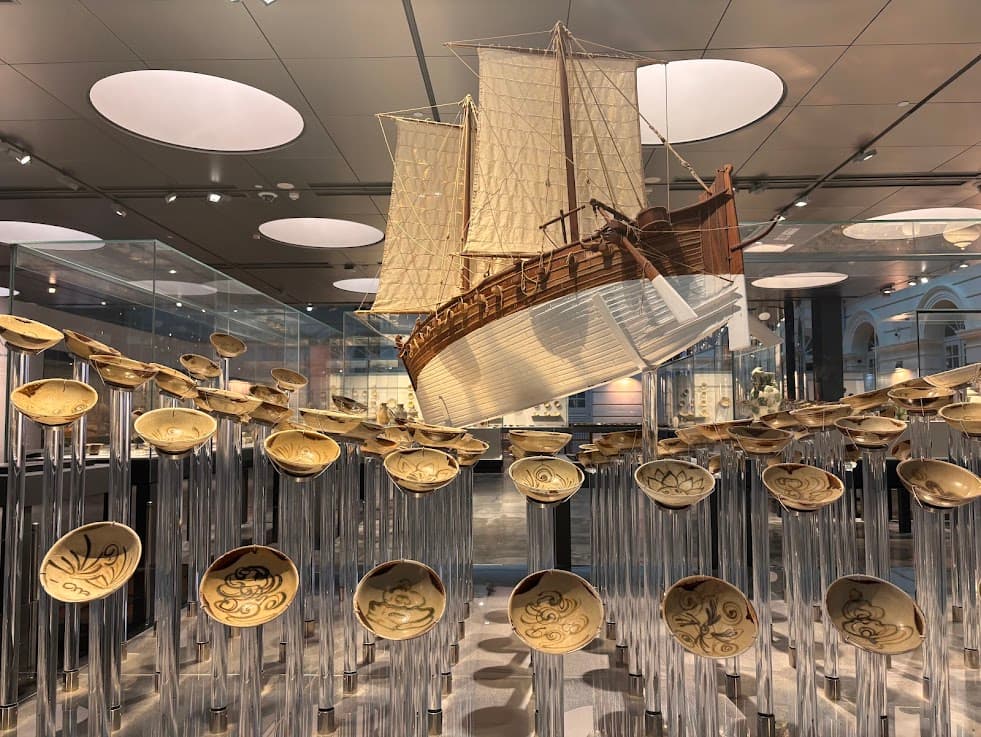
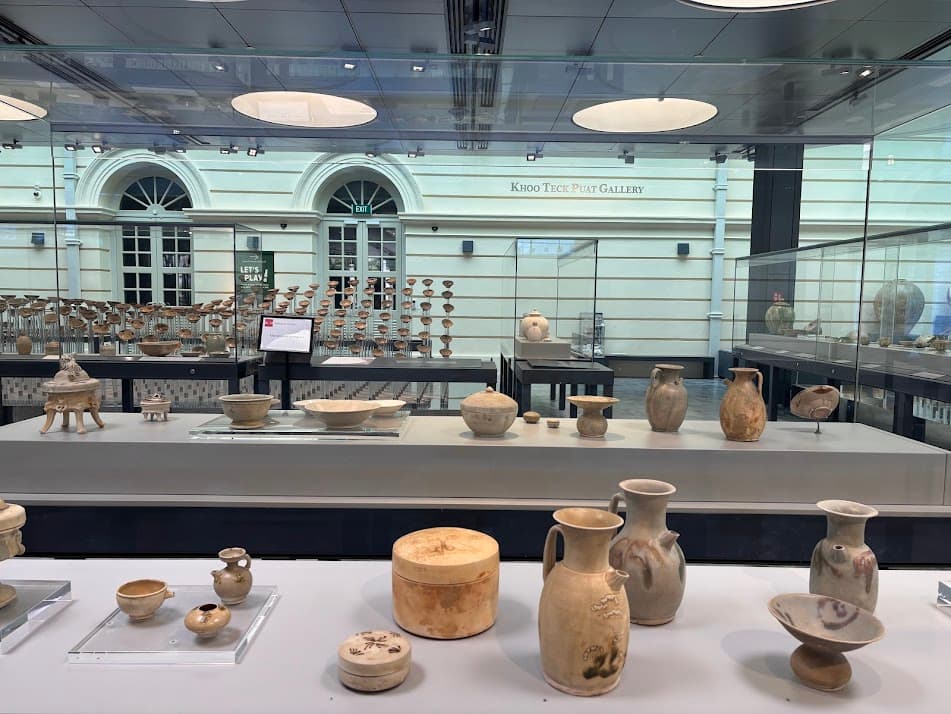
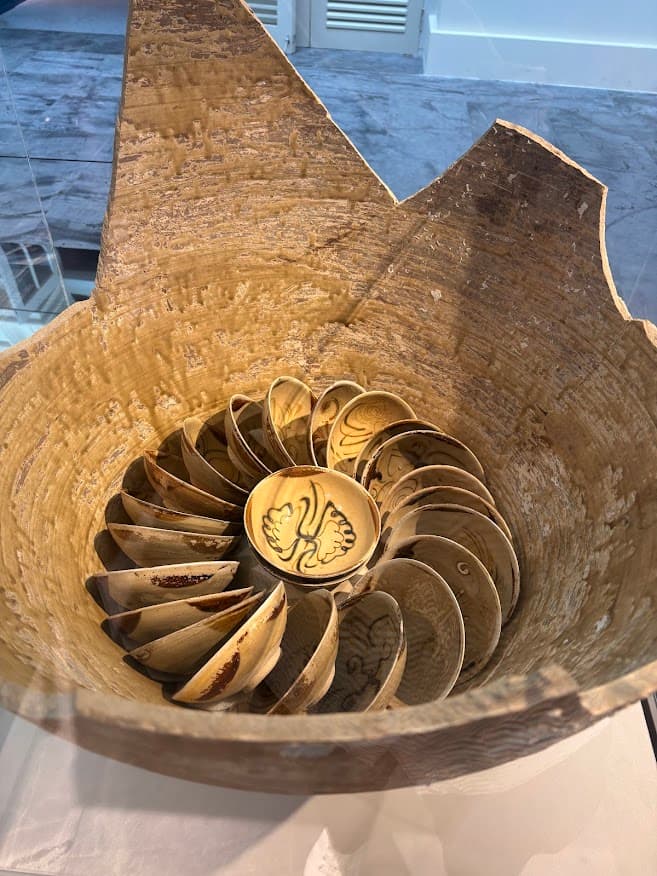
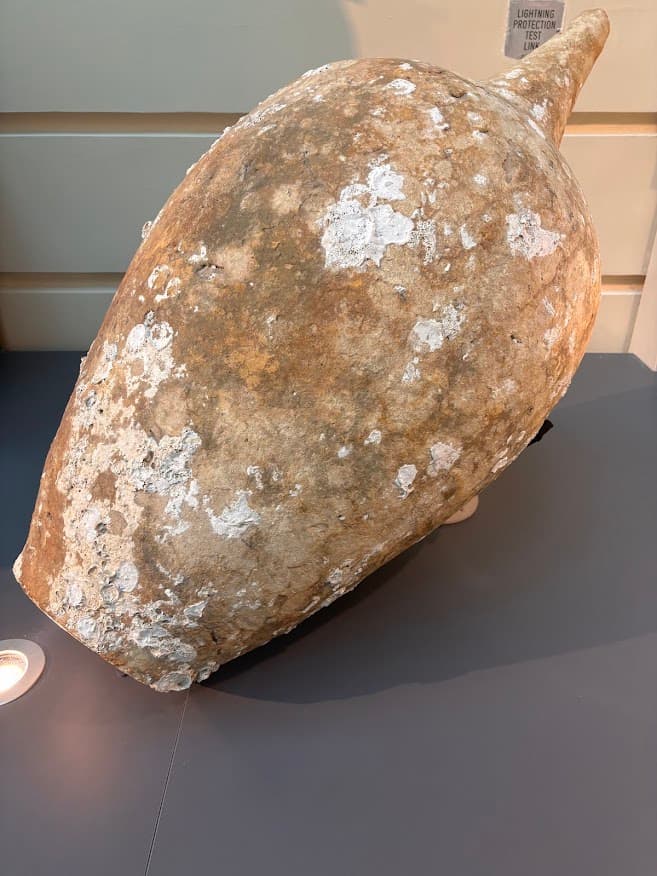
Inside the gallery, I saw large collections of ceramics, bowls, and porcelain that were meant for export. The exhibits showed how Chinese merchants already understood international markets back then. Some ceramics were made for everyday buyers, while others were finer luxury pieces targeted at wealthier customers.
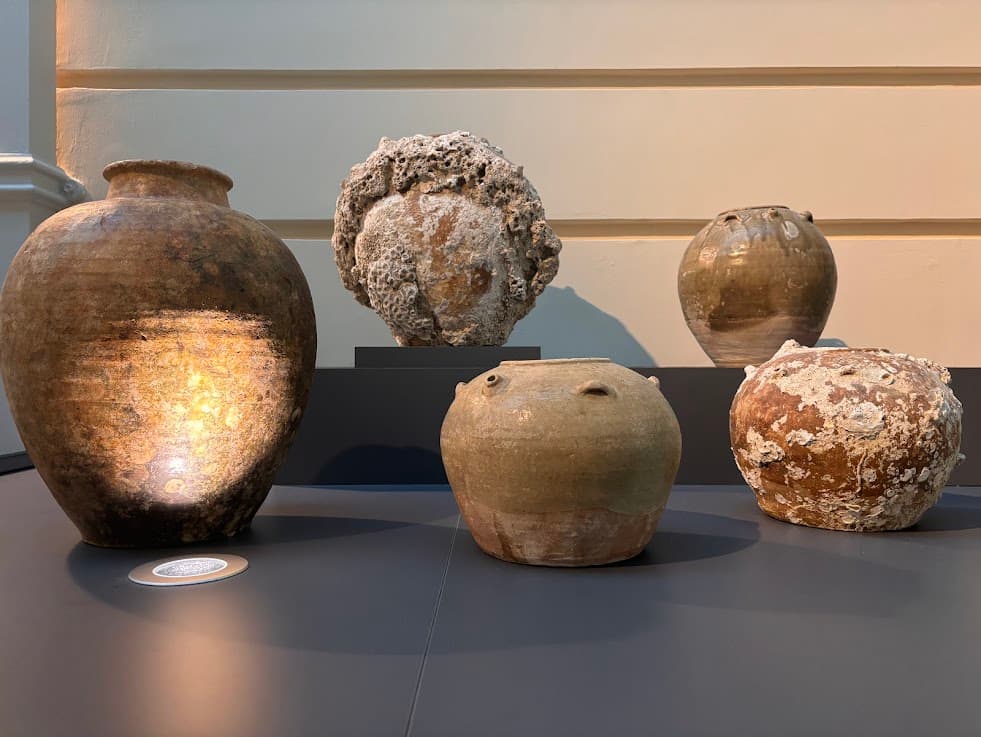
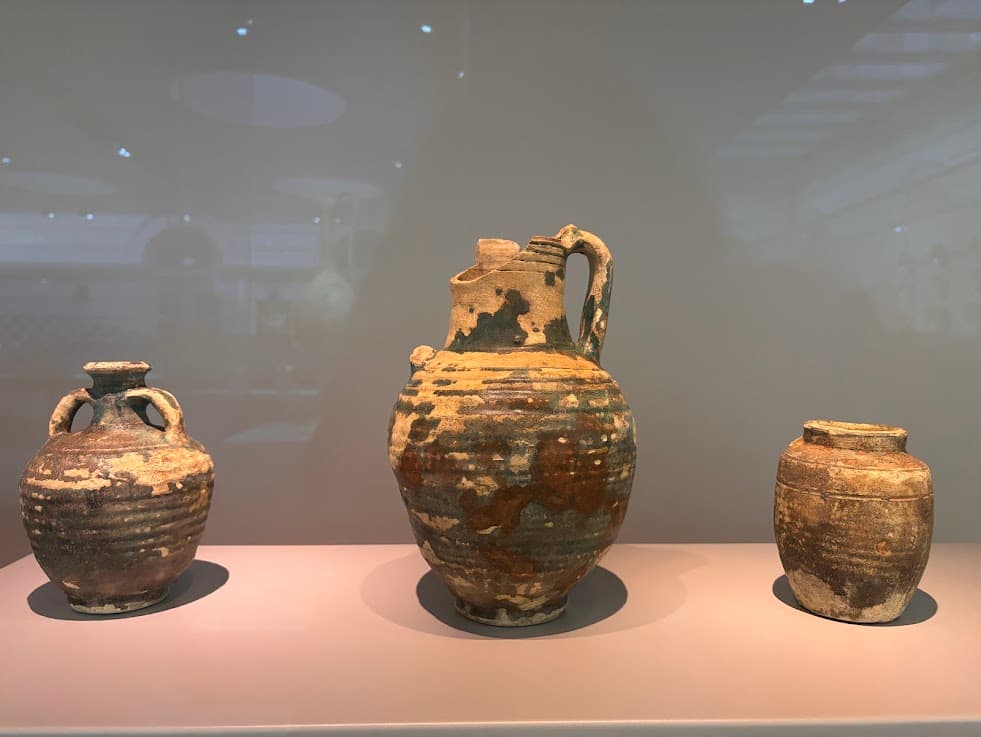
The gallery really set the tone for the rest of ACM because it showed how trade shaped cultures, technology, and artistic ideas across Asia.
Gallery 2: Maritime Trade
The Maritime Trade Gallery continued the story of global exchange through ceramics, furniture, decorative objects, and maps of old Asian port cities.
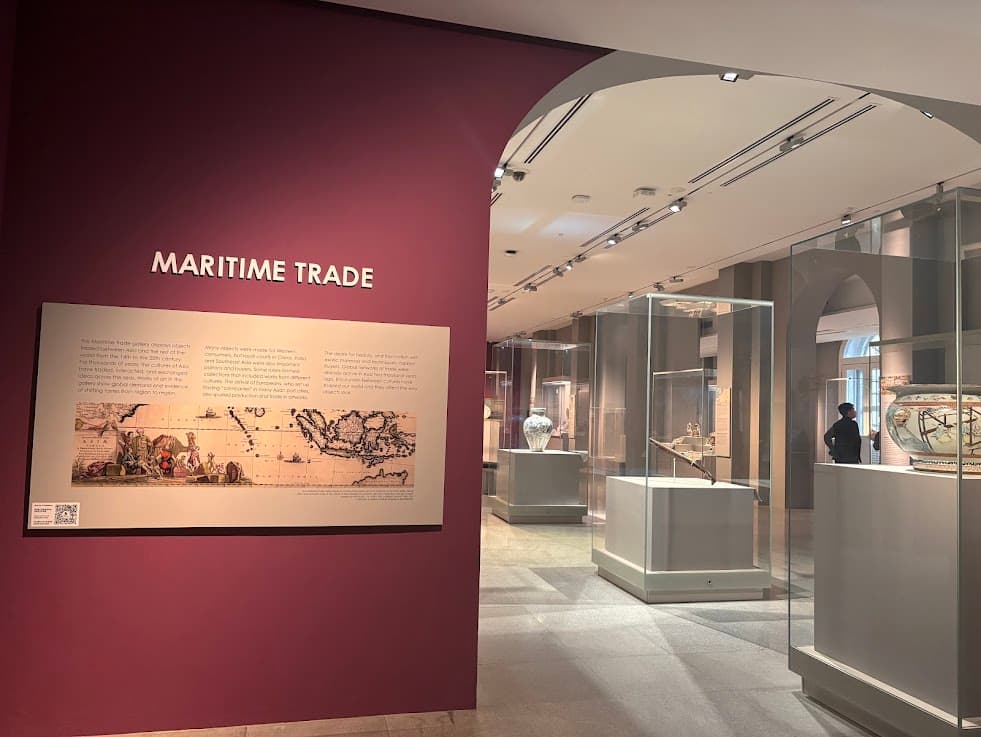
I found it interesting how cities like Canton, Shanghai, Hong Kong, Batavia, Nagasaki and Manila were already major cosmopolitan trading hubs before Singapore even existed as a modern city.
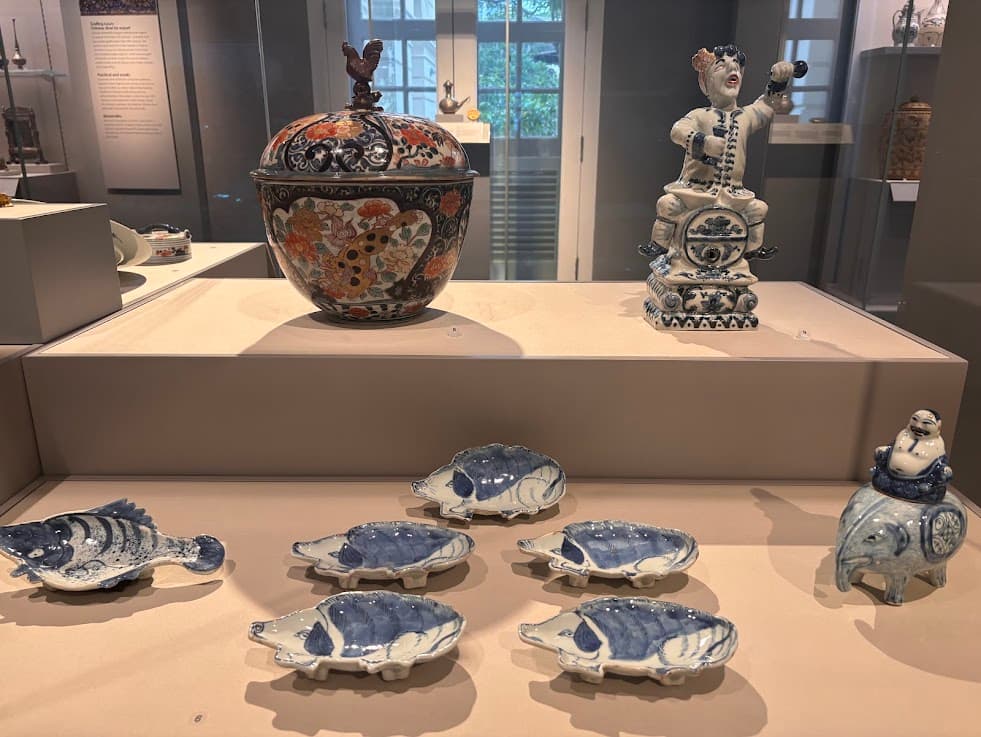
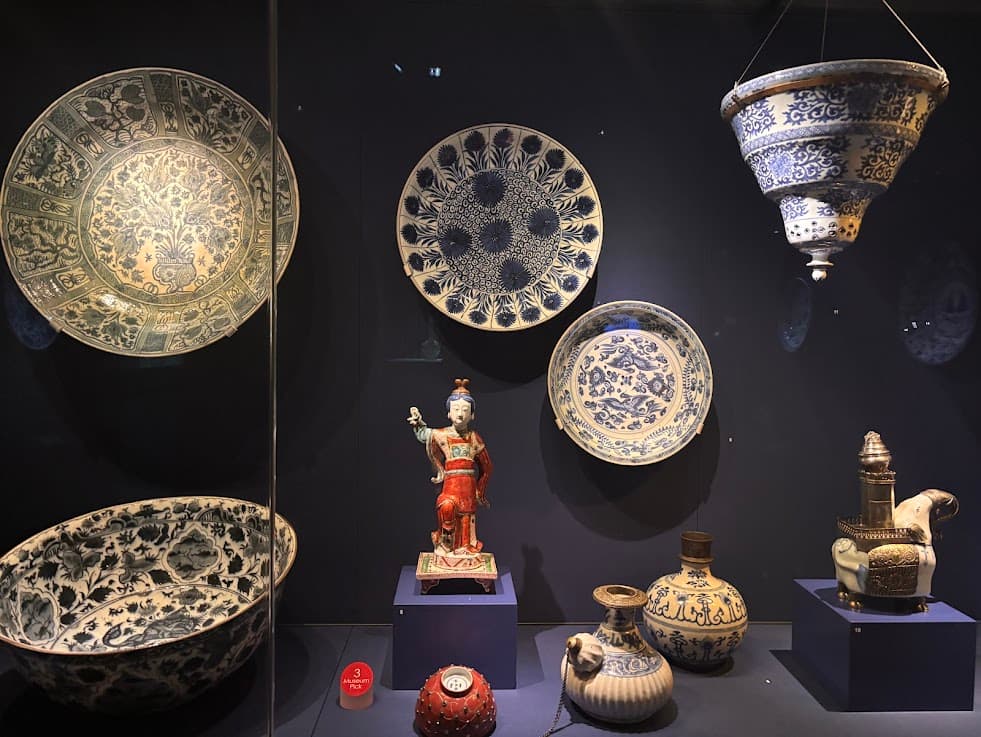
The gallery explained how cultures across Asia constantly interacted through trade. As merchants travelled from region to region, tastes changed too. This led artists and craftsmen to create objects specially designed for overseas markets.
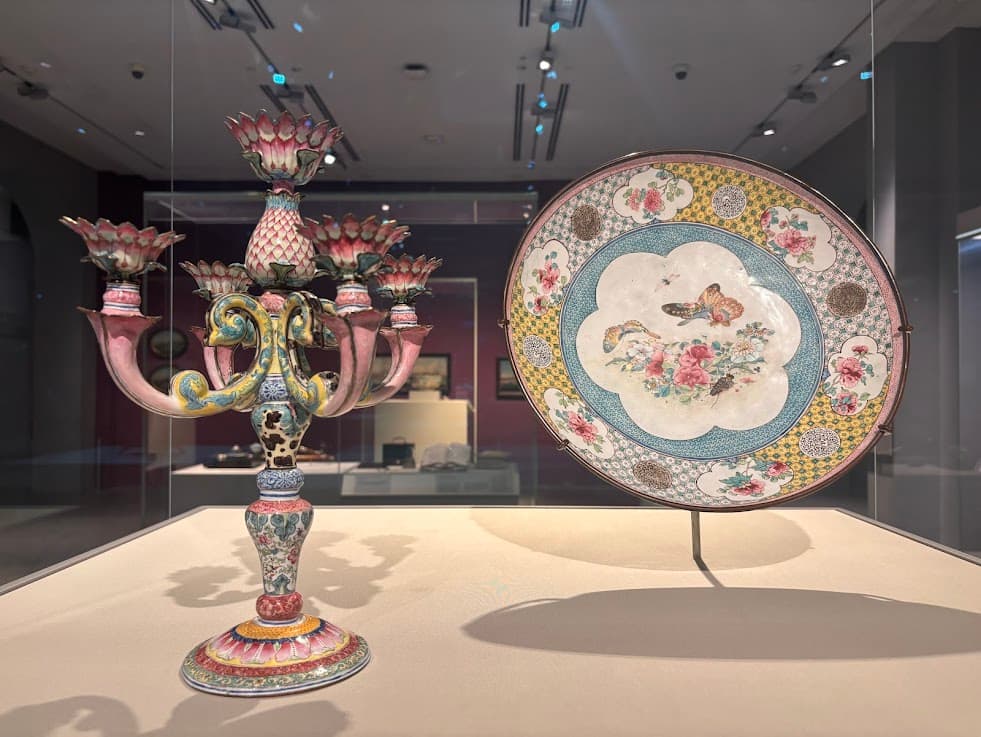
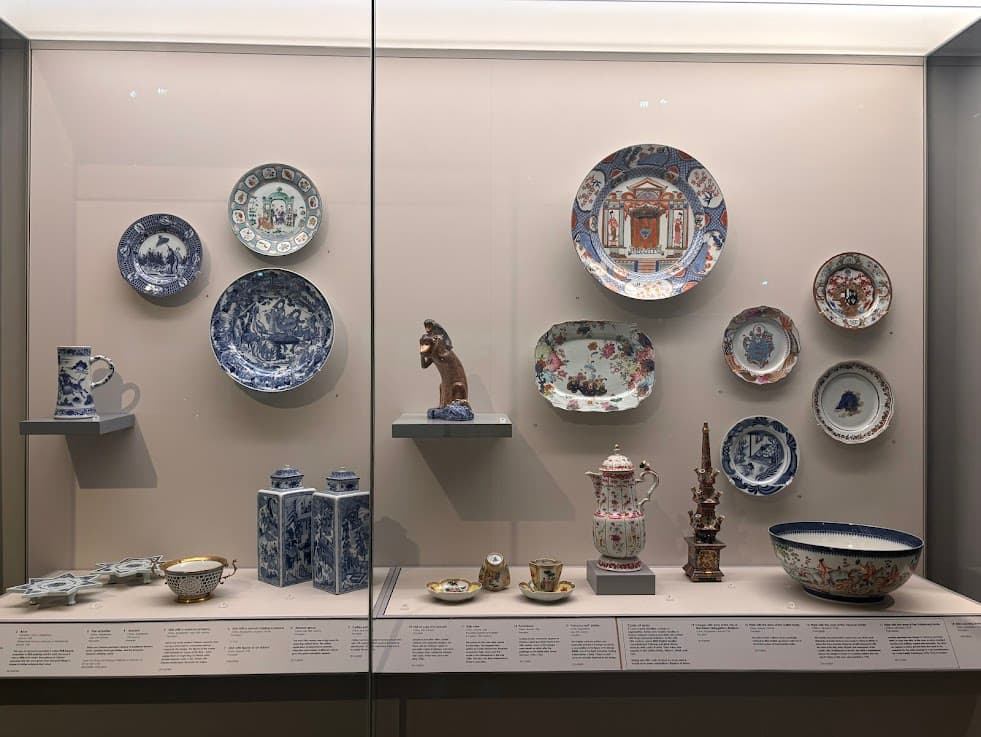
Many objects here were made for European buyers, but Asian royal courts were also major collectors of luxury artworks. The exhibits showed how trade wasn’t only about money — it also influenced design, fashion, and artistic styles.
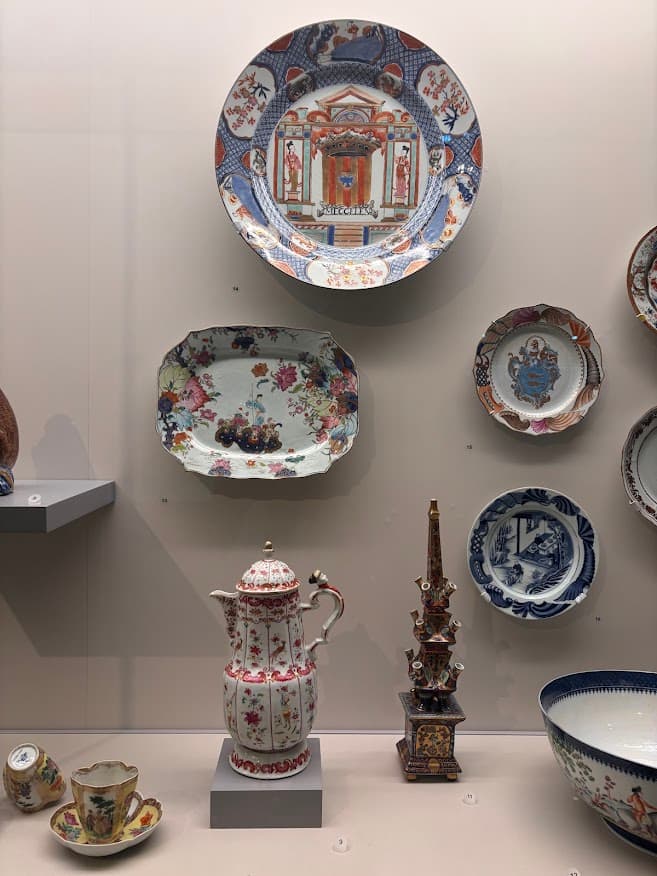
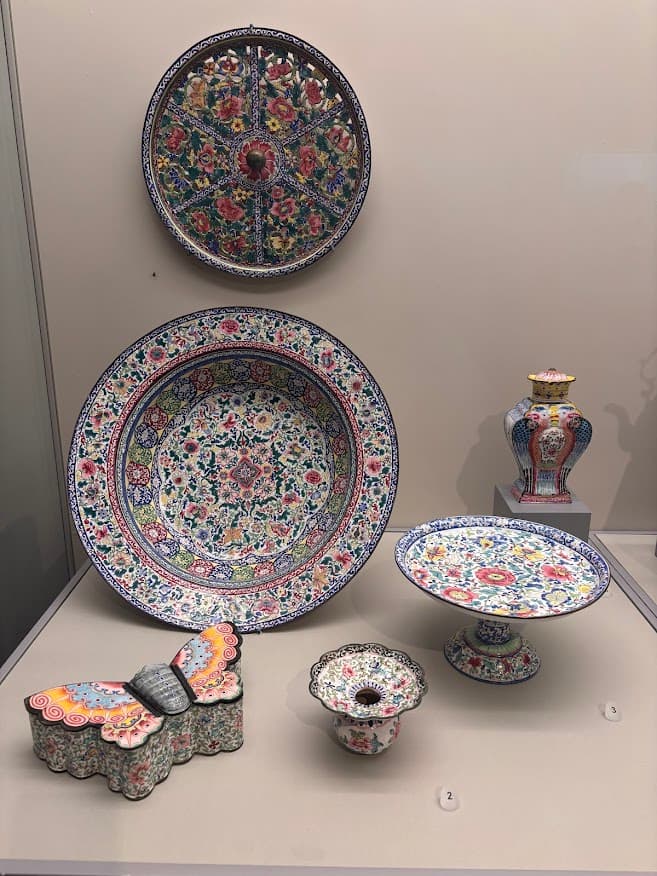
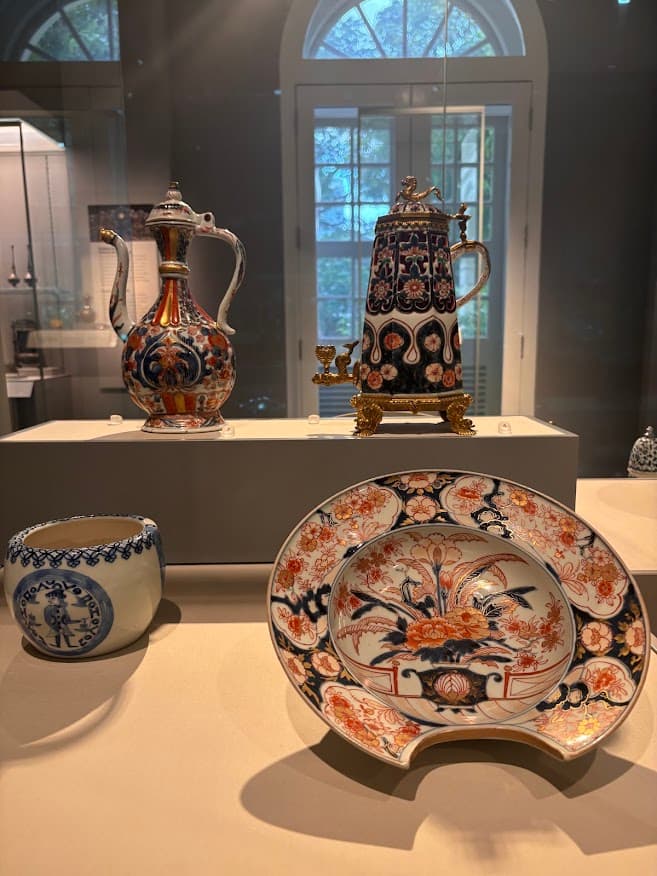
One thing I liked about this section was seeing how artworks blended influences from different regions. Some pieces clearly combined Asian craftsmanship with European preferences, showing that globalisation existed long before the modern world.
Gallery 3: Court and Company
This gallery looks at how art and trade connected South Asia, Europe, and Southeast Asia — particularly after European traders began arriving around 1500.
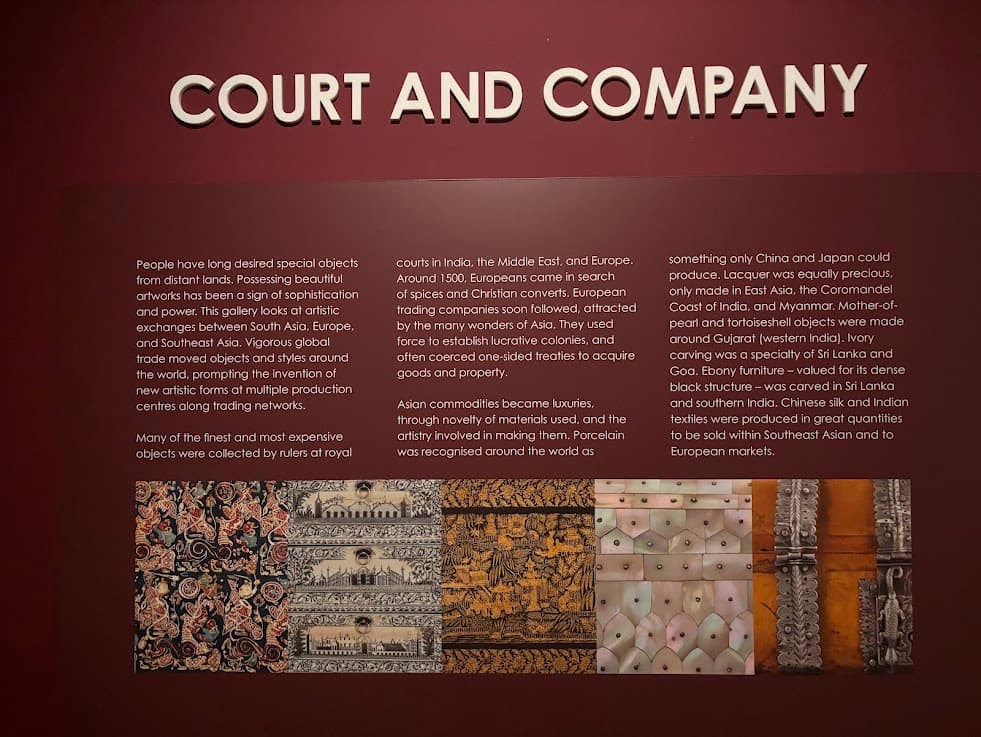
The Portuguese came first, followed by the Spanish and later the Dutch. They came for spices and other goods, set up trading companies and also to establish colonies. As demand for Asian goods grew in Europe, production of certain objects grew with it.
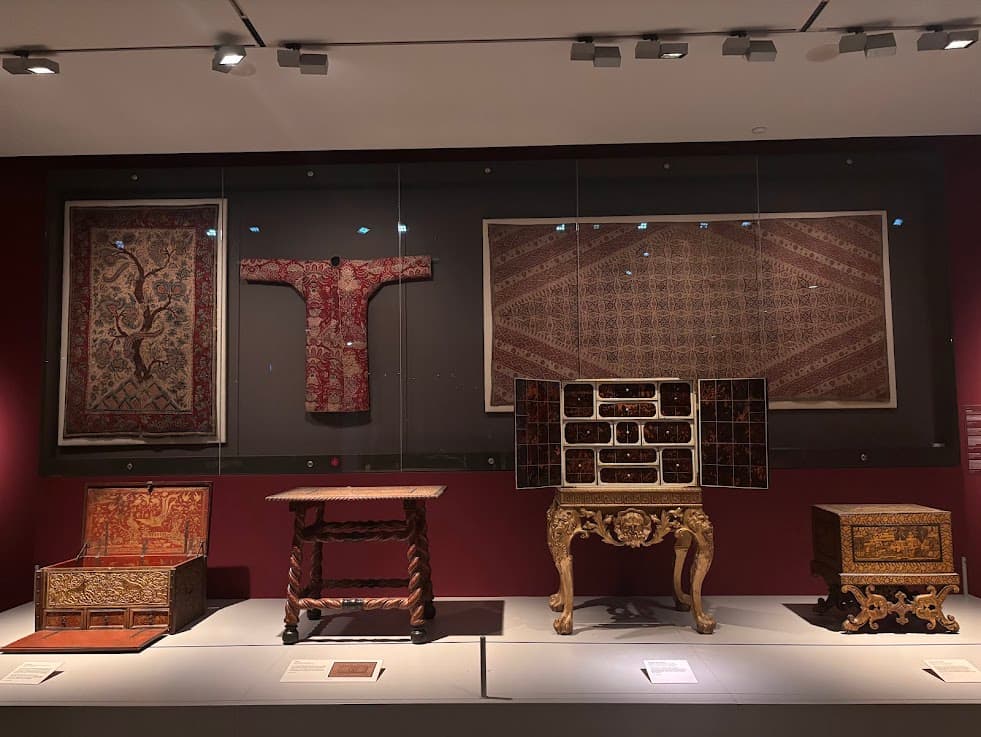
Some of the materials that were most valued at the time included porcelain from China and Japan, lacquerware from East Asia, ivory from Sri Lanka and Goa, ebony furniture from Sri Lanka and southern India, and mother-of-pearl objects from Gujarat in western India. Chinese silk and Indian textiles were also produced in large quantities for both Southeast Asian and European buyers.
The objects in this gallery are beautifully made. They also reflect a period in history when trade was rarely equal.
Level 2 — Faith and Belief
Level 2 shifted away from trade and focused more on religion, philosophy, rituals, and spiritual beliefs across Asia. This floor explored how different religions spread through trade routes and how local cultures adapted those beliefs into their own traditions. The Islamic Art Gallery was closed on the day I visited.
Gallery 4: Ancestors and Rituals
This gallery explored ancestral beliefs and ritual practices in traditional Southeast Asian societies.
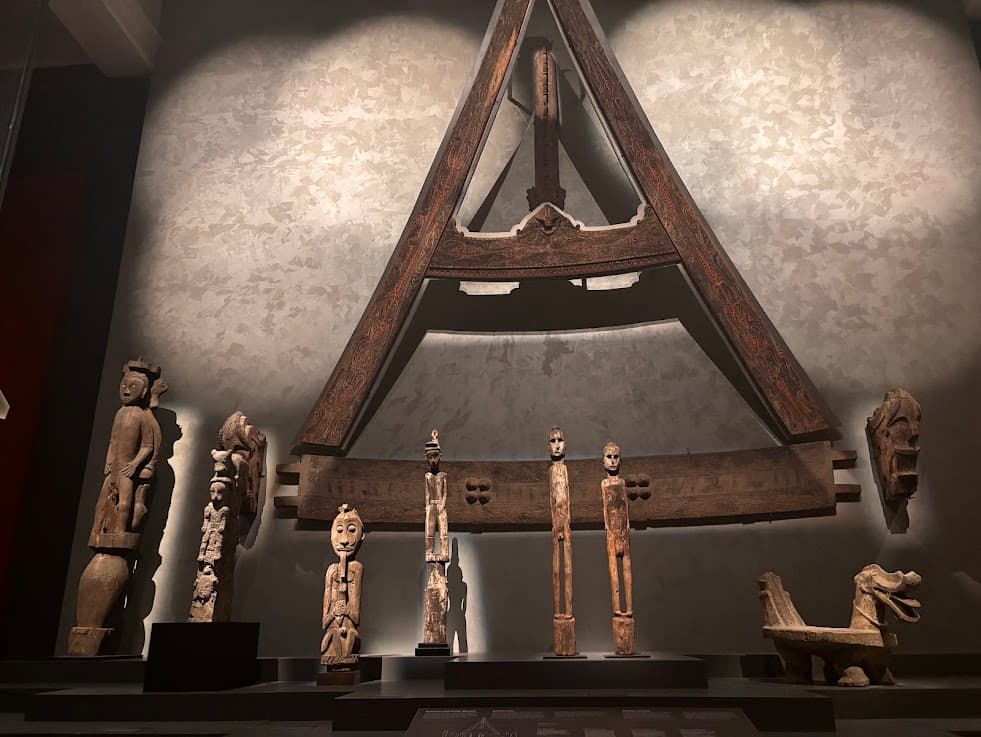
I found this section more reflective compared to the trade galleries downstairs. Many communities believed ancestors protected the living, maintained harmony and ensured future prosperity. Rituals were often tied to fertility, agriculture, and survival.
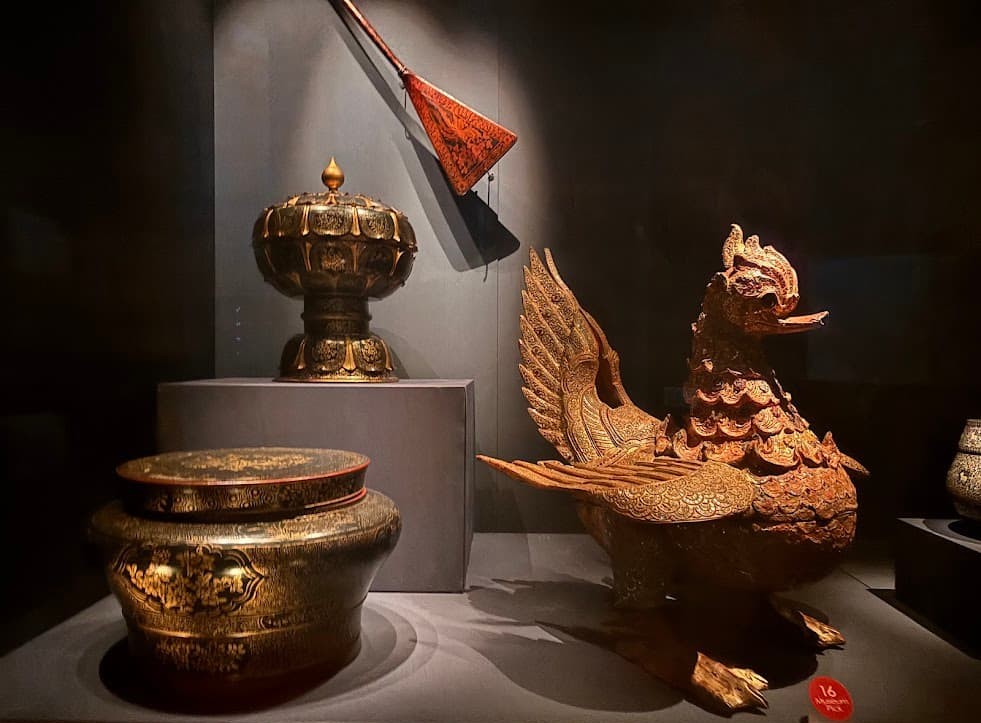
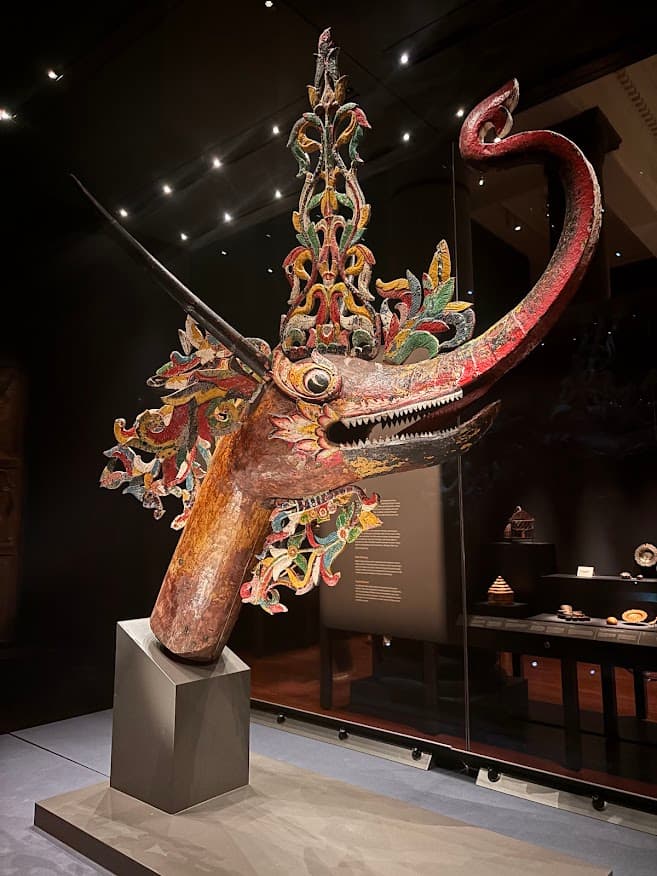
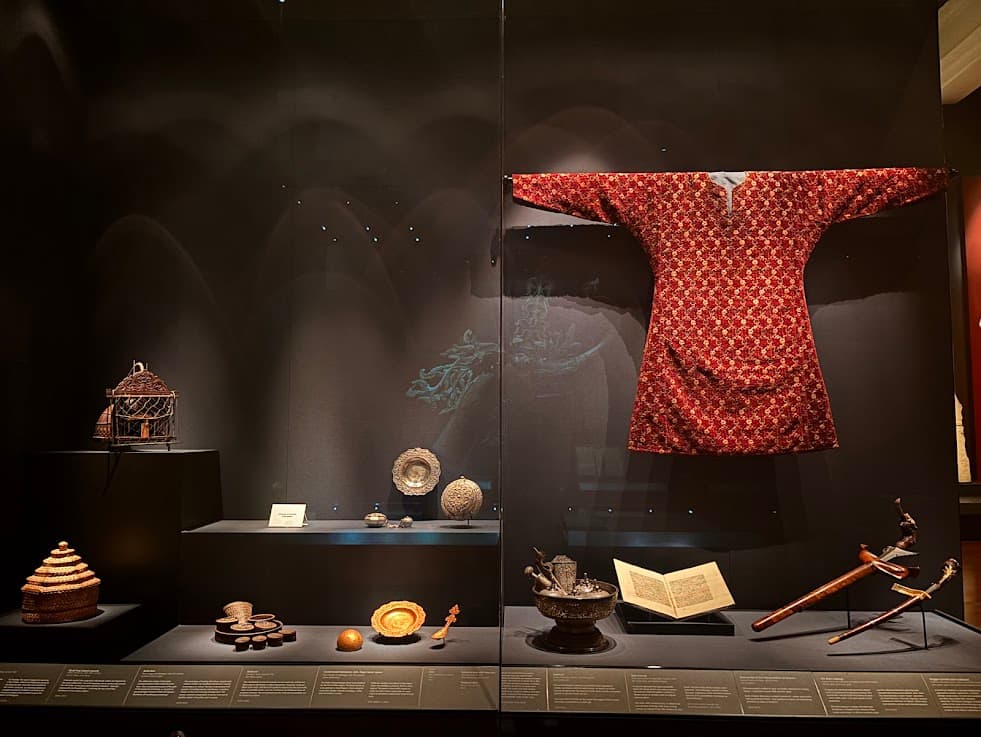
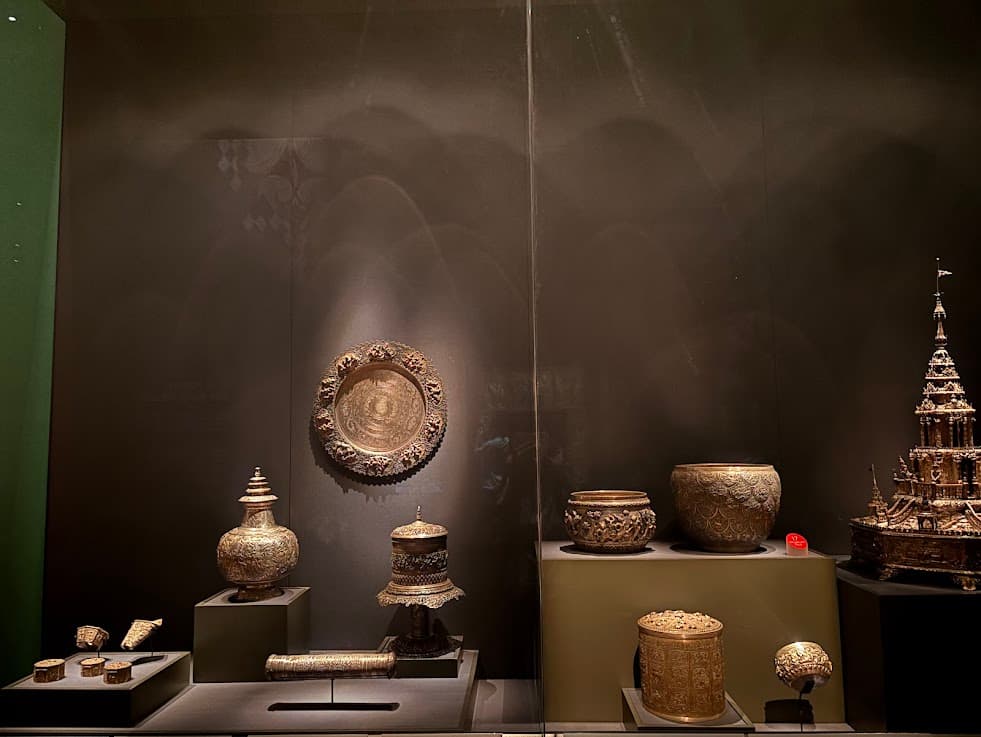
The gallery highlighted the incredible diversity of Southeast Asia, from farming communities to seafaring cultures. The objects displayed came from many different environments including mountains, islands, and coastal trading centres.
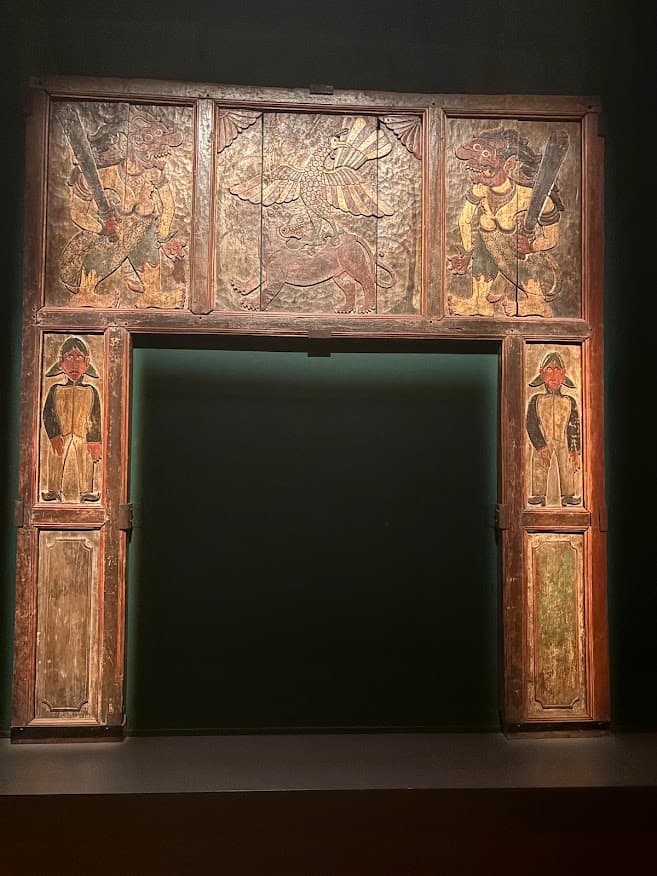
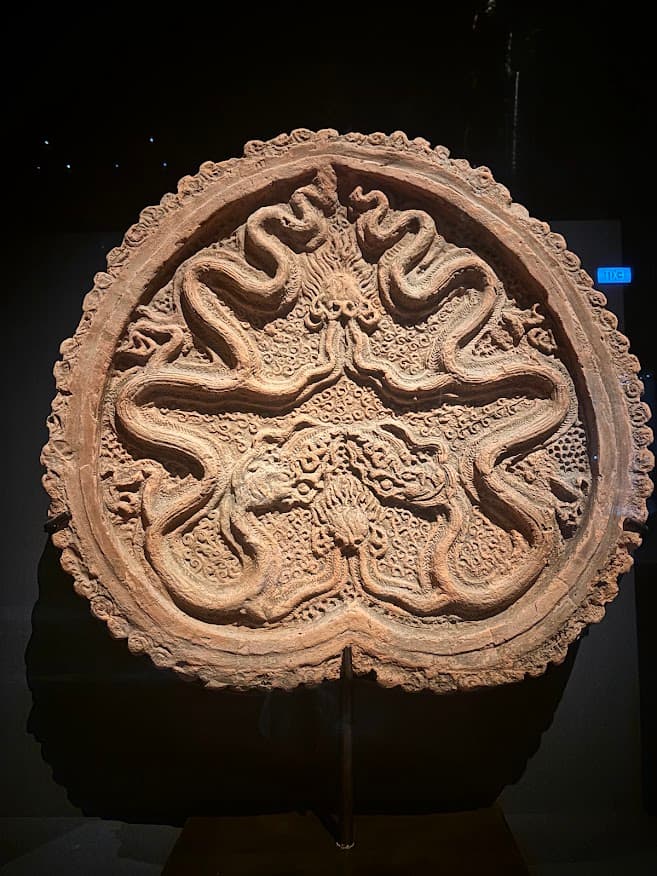
One thing I noticed throughout the gallery was how Southeast Asia has always been open to outside influence. Even remote communities were shaped over time by exchanges with China, India, the Middle East and Europe.
Gallery 5: Ancient Religions
Located inside the Kwan Im Thong Hood Cho Temple Gallery, this section explored Buddhism, Hinduism, and Jainism as they spread from India across Asia.
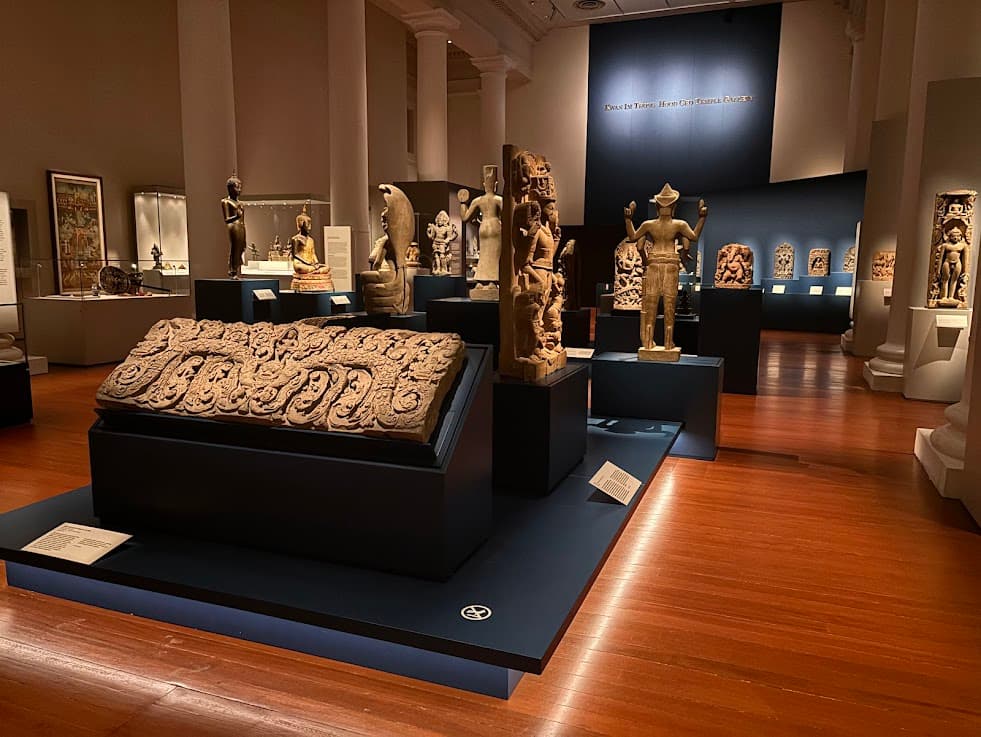
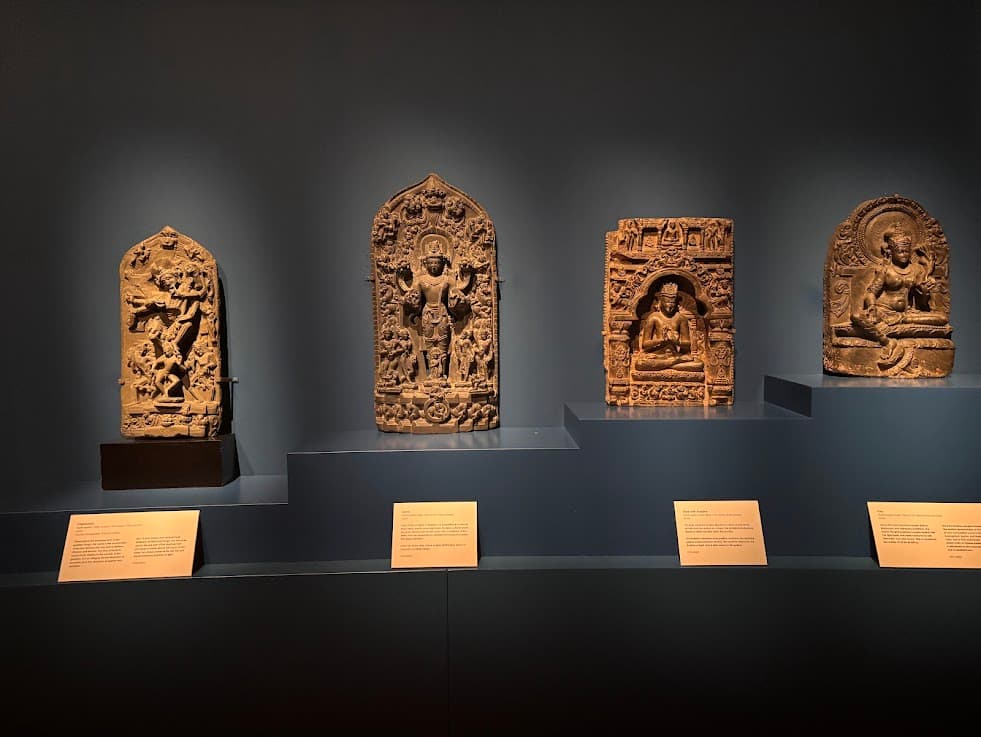
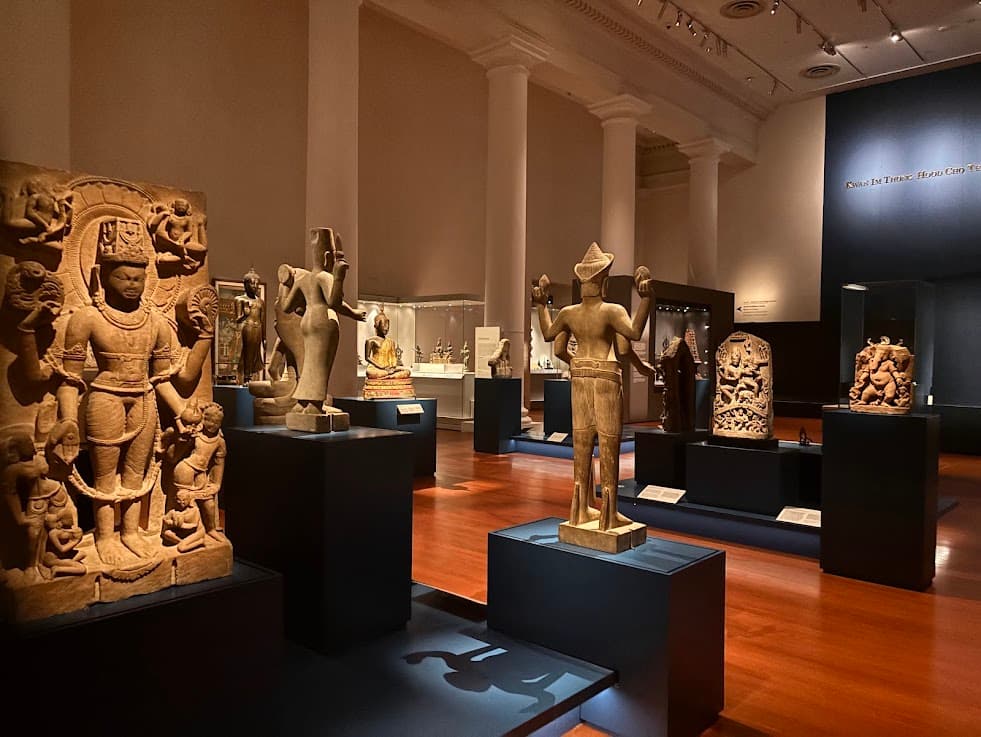
The sculptures and religious artworks were some of the most visually striking pieces in ACM. The gallery explained how religions evolved as they moved through different countries. Artists adapted Indian religious ideas into local styles, creating unique interpretations across Southeast Asia and China.
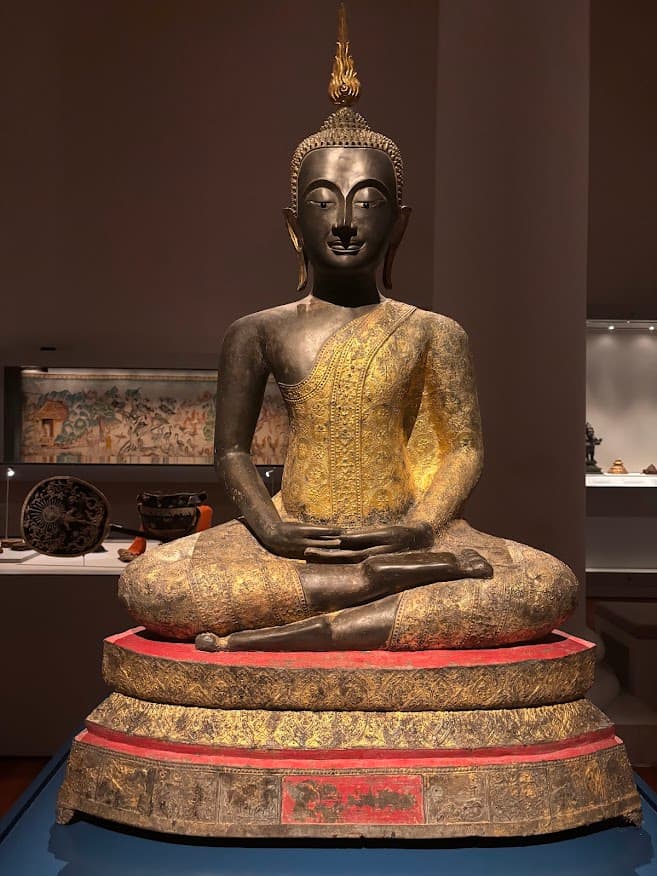
The gallery also explained how Buddhism and Hinduism became widely practised across Southeast Asia by the 8th century, mainly through trade networks and cultural exchange.
Gallery 6: Christian Art
The Christian Art Gallery focused on Christian artworks created in Asia.
Before visiting, I honestly did not expect Christianity to have such a long history in Asia. The gallery explained that Christian traders had already travelled through parts of Asia as early as the 7th century. Later, Portuguese and Spanish missionaries spread Catholicism through trading ports like Goa, Malacca, Manila, Macau, and Nagasaki.
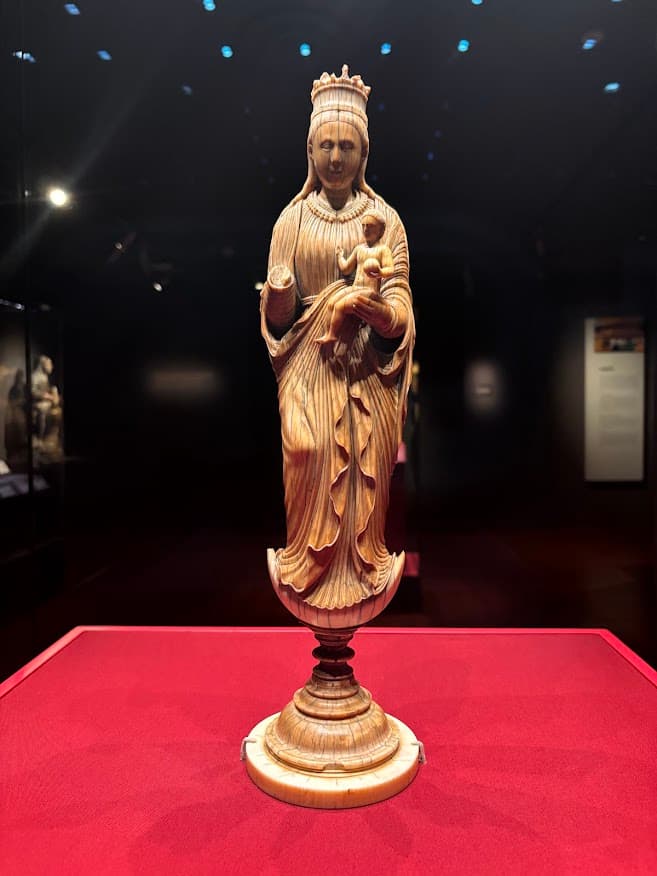
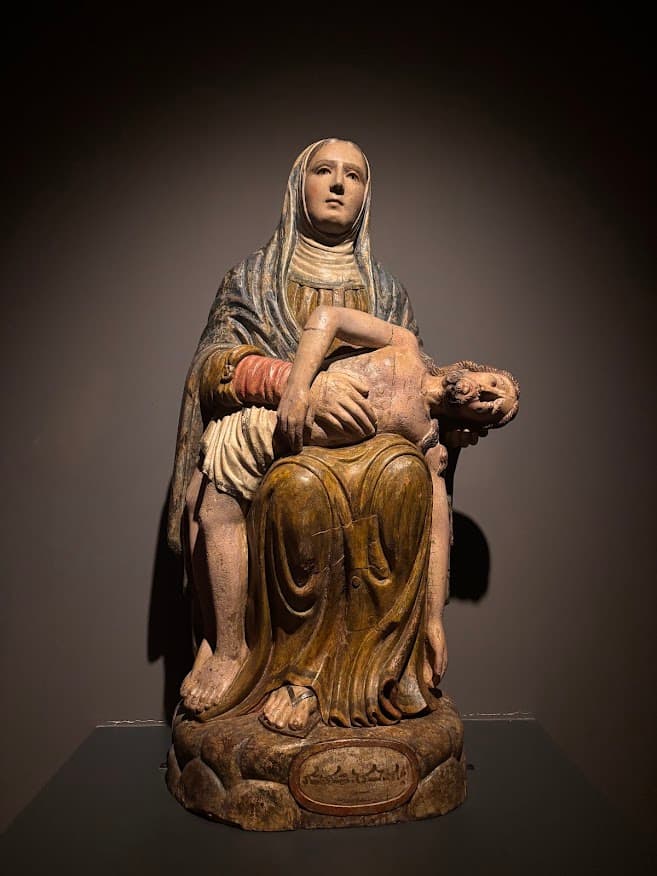
What made this gallery unique was seeing Western religious imagery created using Asian artistic techniques and materials. Many artworks blended European Christian subjects with Asian craftsmanship, resulting in very detailed and beautiful pieces.
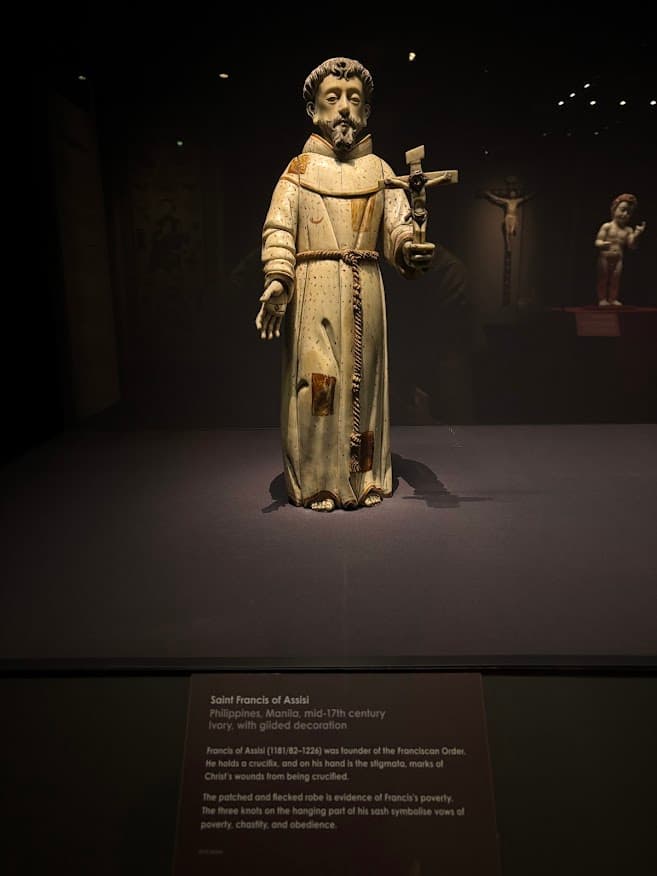
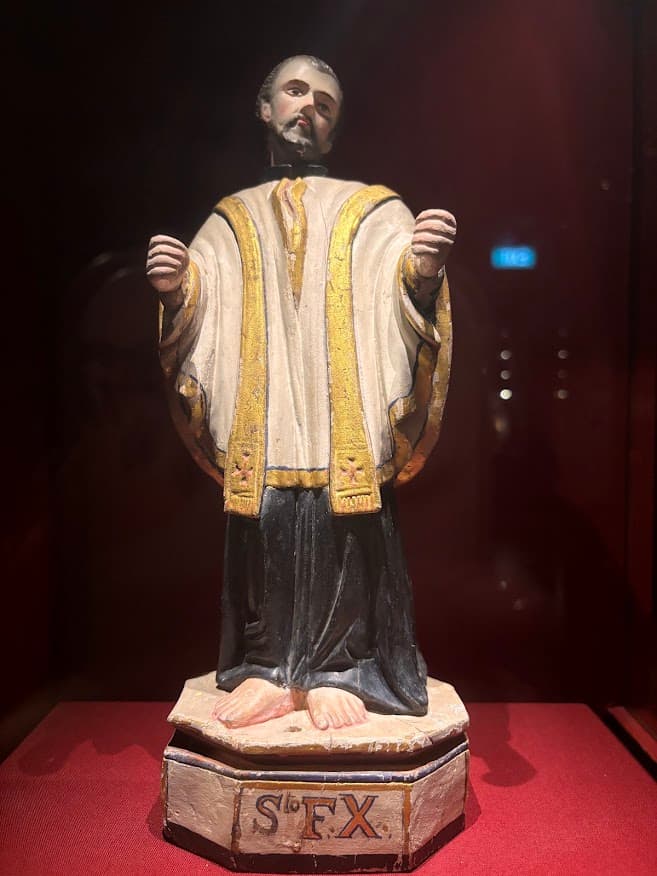
I liked how the gallery showed religion not only as belief but also as cultural exchange.
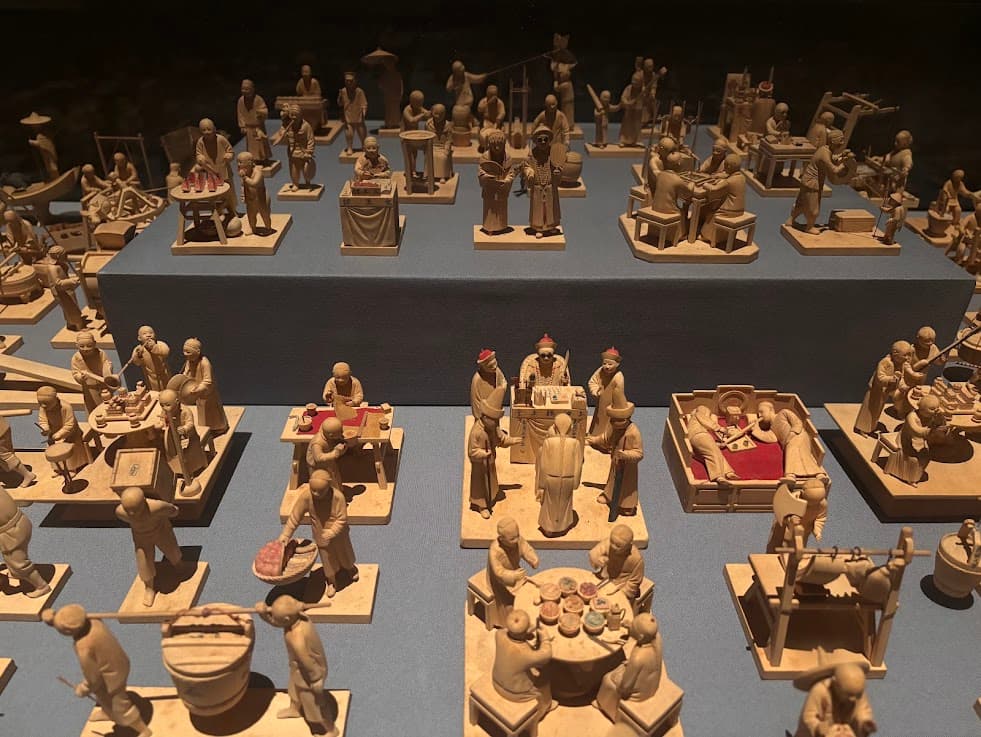
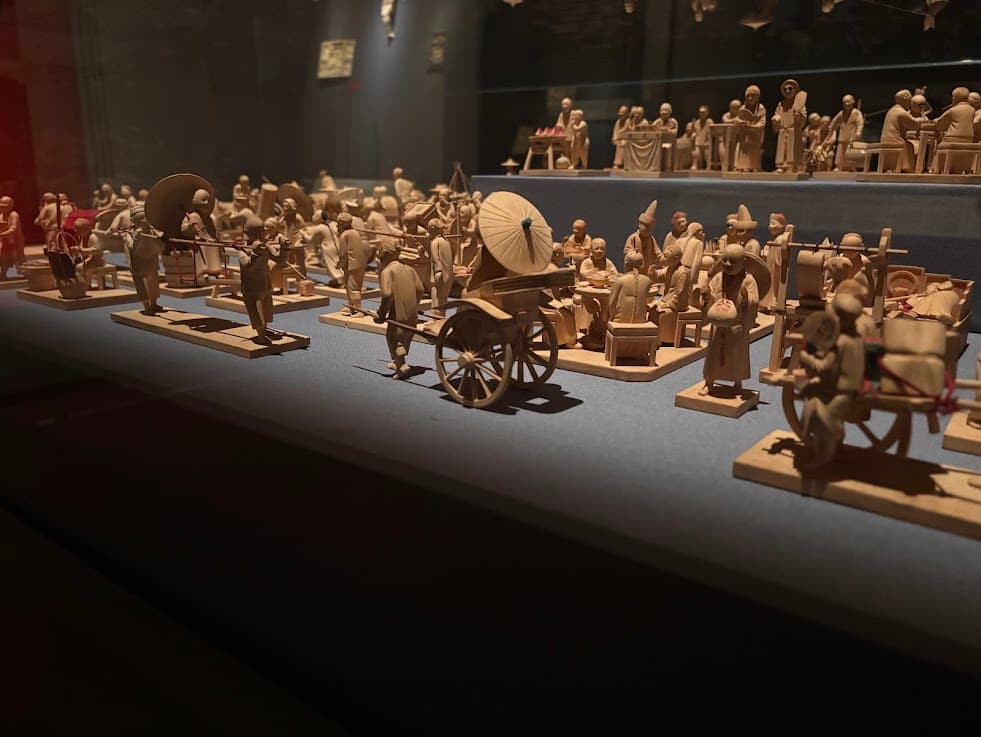
Gallery 7: The Scholars Gallery
Located inside the Kwek Hong Png Wing, the Scholars Gallery explored Chinese scholarly culture and Confucian traditions.
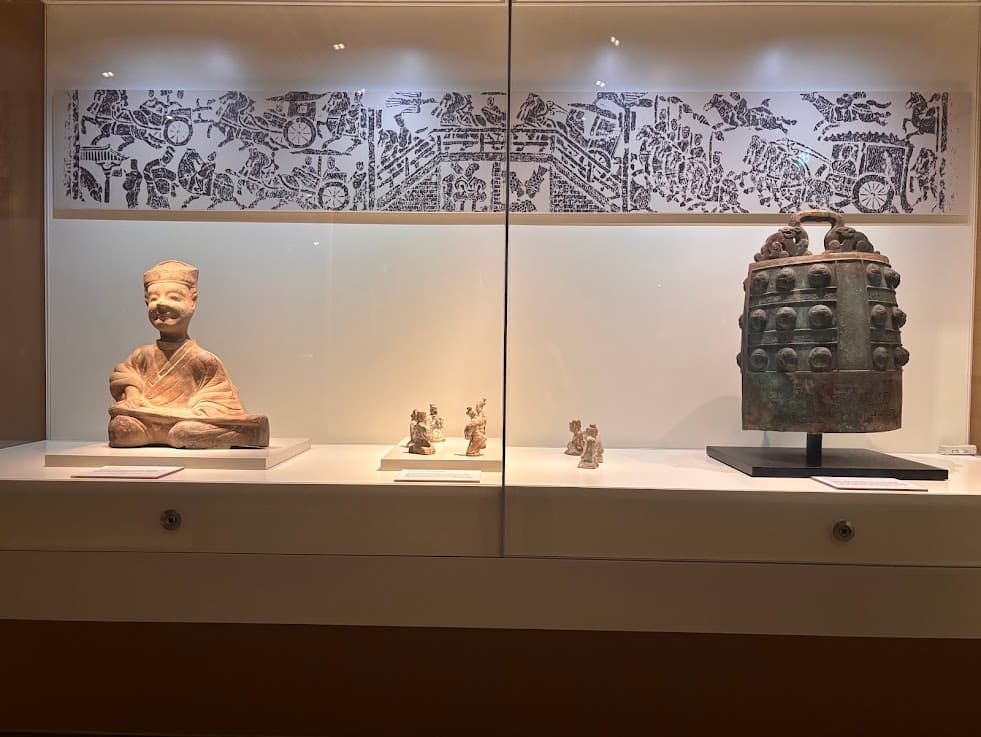
This gallery felt more elegant and refined. It focused on the ideal image of the Chinese scholar — someone respected for education, calligraphy, painting, music, and moral character.
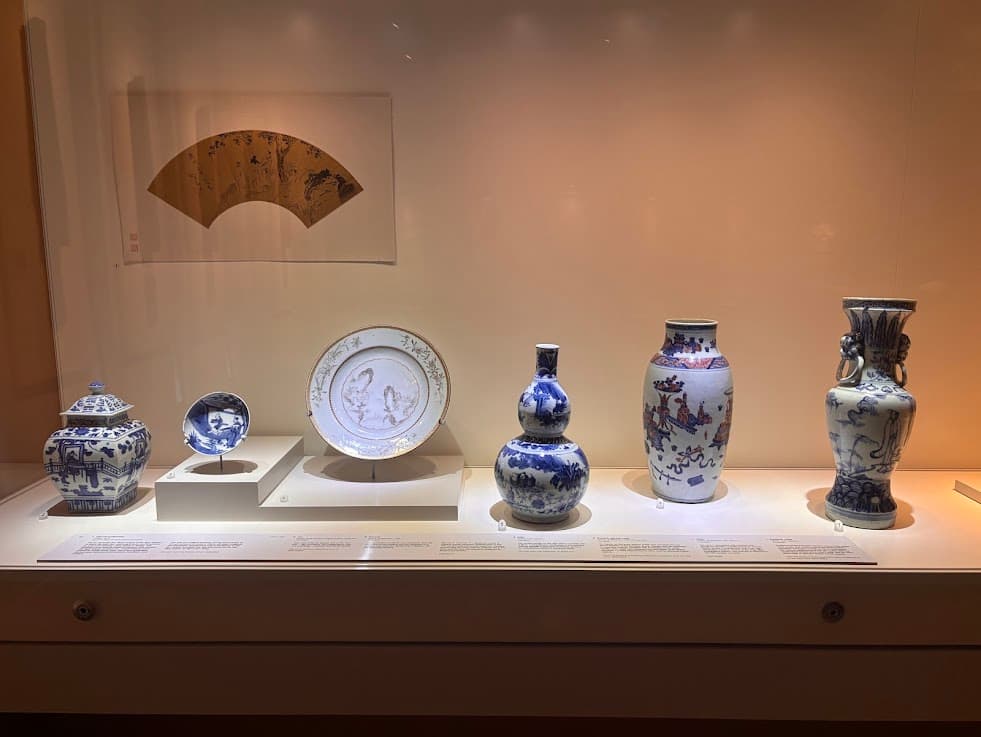
The gallery also explained how Confucian philosophy shaped Chinese society for centuries. During the Tang dynasty, people could rise socially through imperial examinations based on Confucian texts.
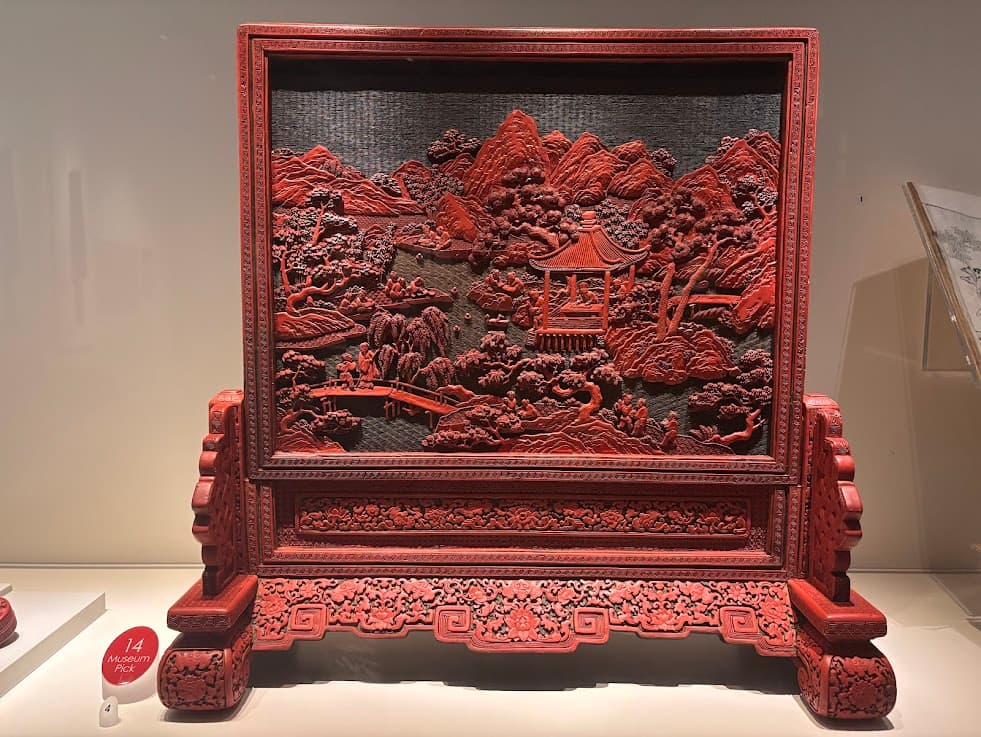
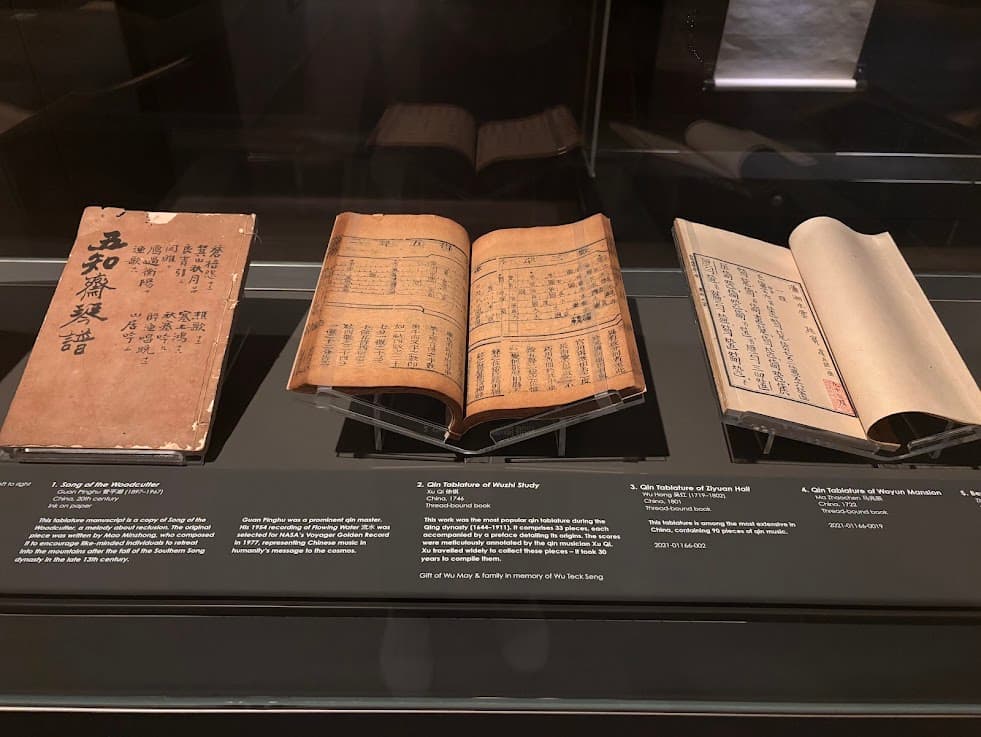
I found it interesting how the scholar class eventually became closely linked with wealthy merchants as society evolved over time.
Level 3 — Materials and Design
Level 3 focuses on the materials and craftsmanship behind Asian art. This floor showcased how different materials like ceramics and jewellery evolved across Asian cultures. Unfortunately, the Fashion and Textiles Gallery was closed during my visit.
Gallery 8: Jewellery
Located inside The Mary and Philbert Chin Gallery, this section focused on island Southeast Asian jewellery from the Neolithic period to the 20th century.
The jewellery pieces were incredibly intricate and the gallery explained how adornments were deeply connected to identity, beauty, rank, spirituality, and wealth.
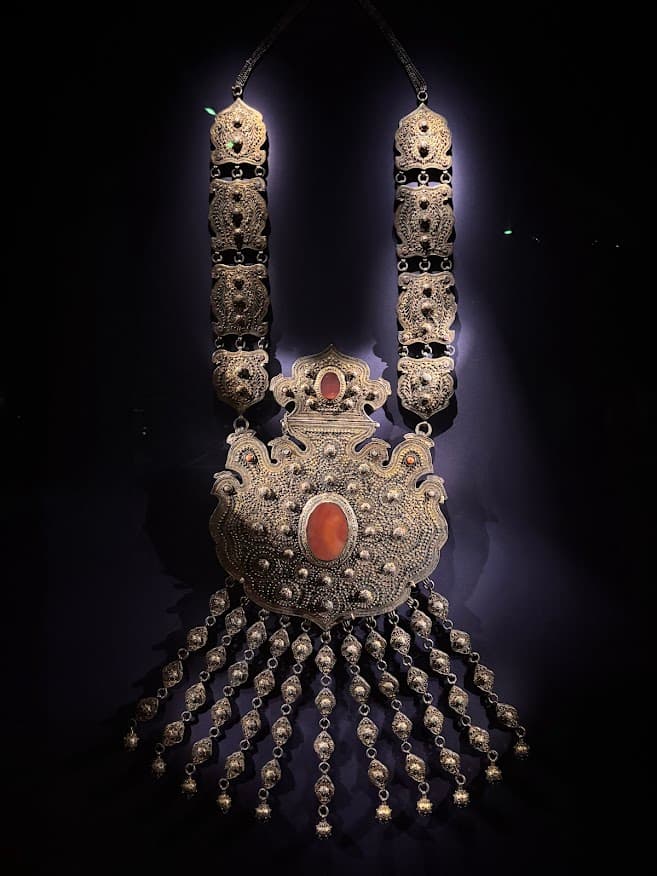
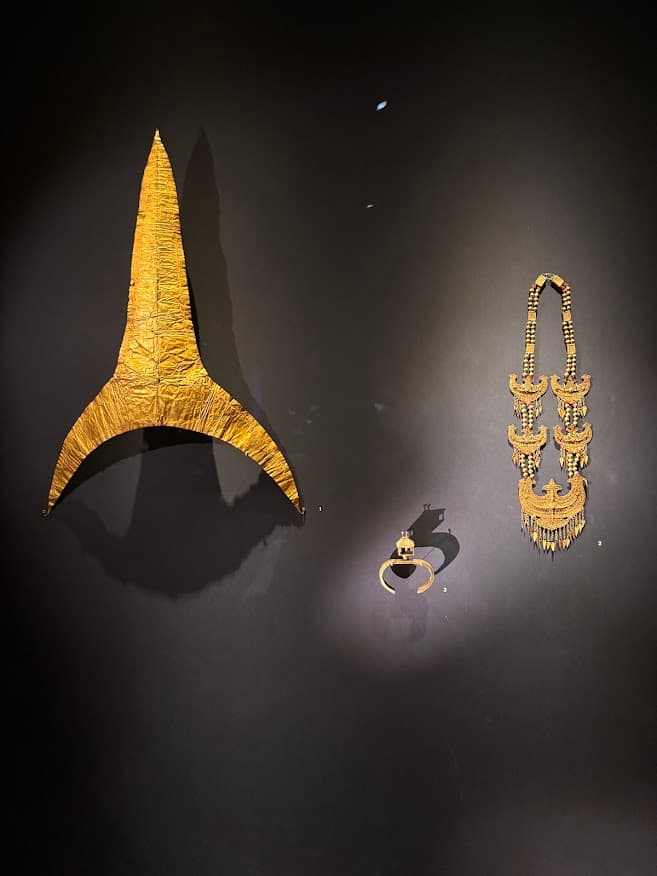
I came to know that the jewellery functioned as more than decoration. In many communities, it represented social status, cultural identity and spiritual beliefs.
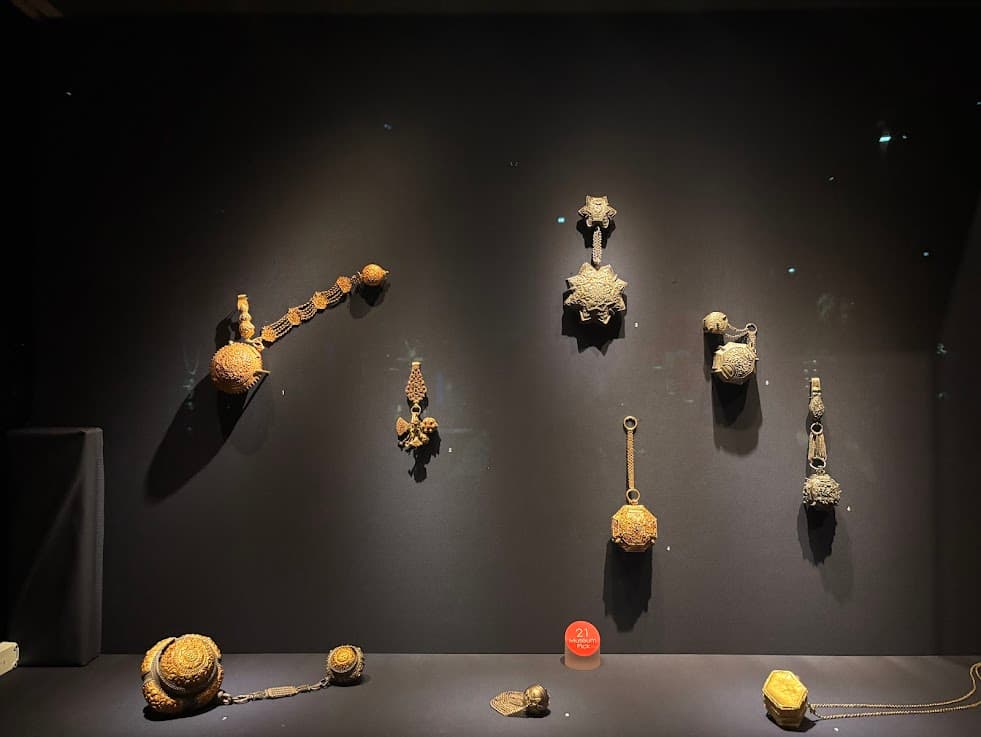
The gallery also highlighted how Southeast Asia absorbed influences from Hindu, Buddhist, Islamic, Persian, Indian, Chinese and Ottoman cultures. These outside influences were adapted into local jewellery styles, creating entirely new artistic traditions unique to the region.
Gallery 9: Ceramics
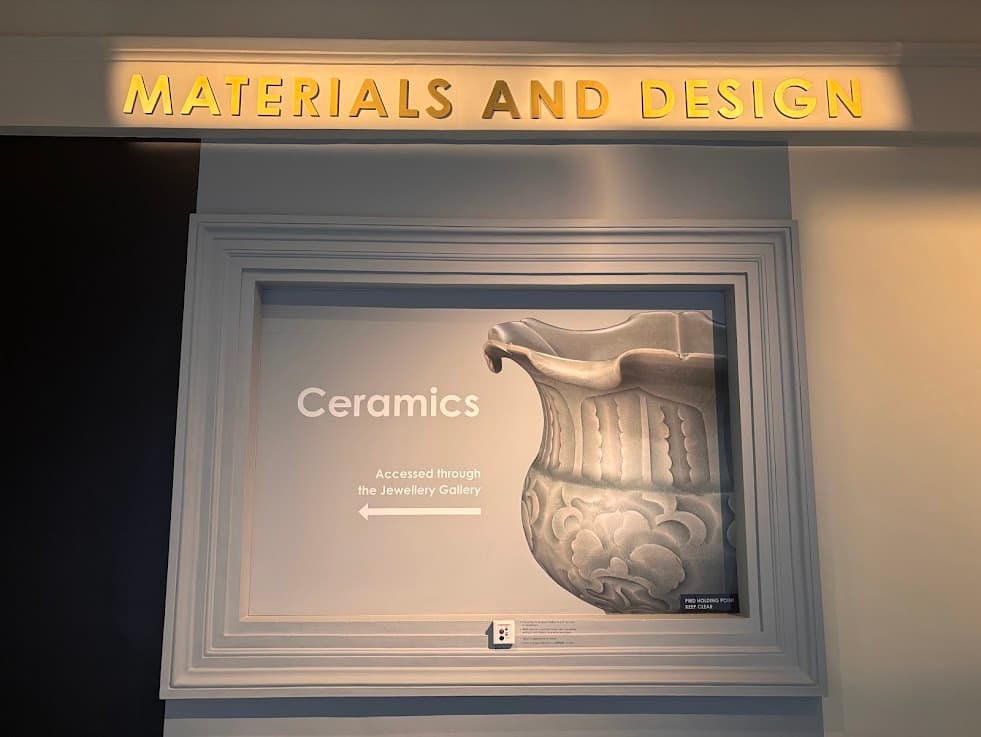
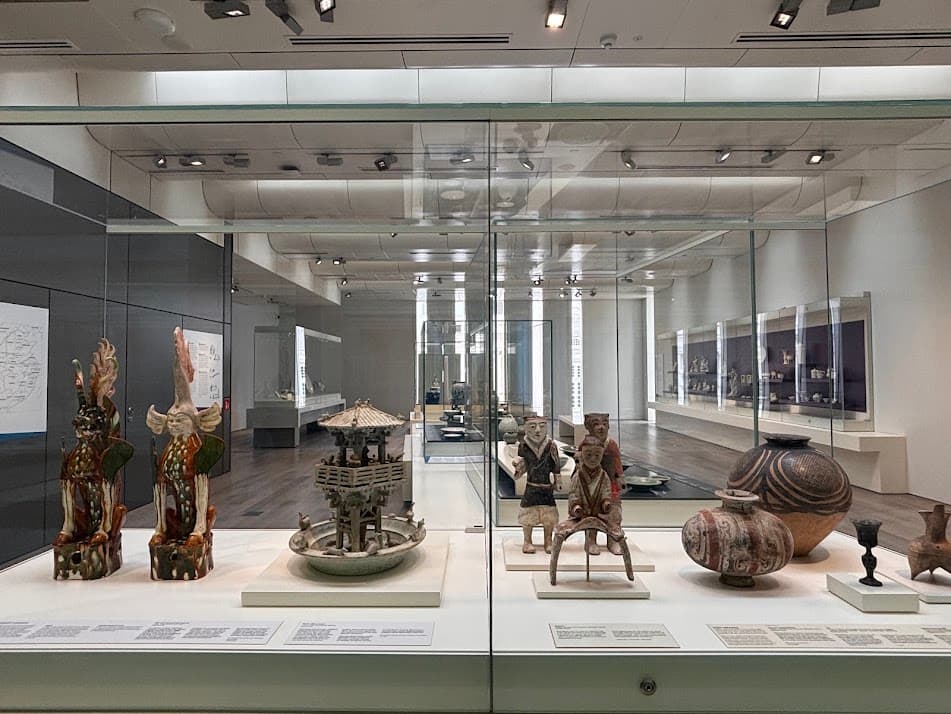
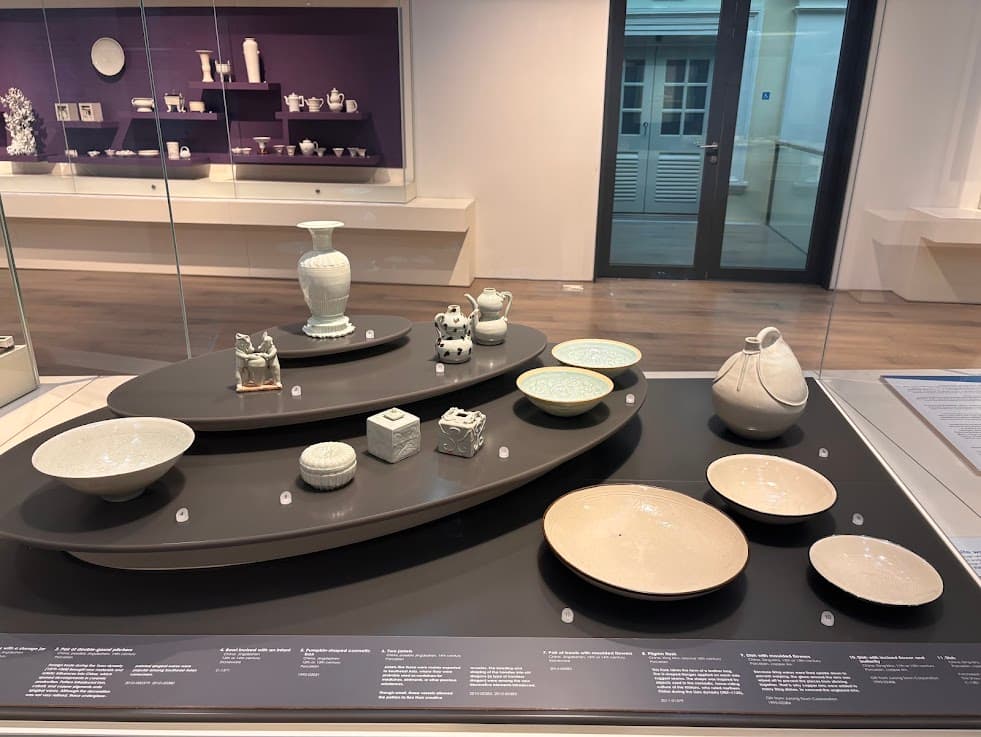
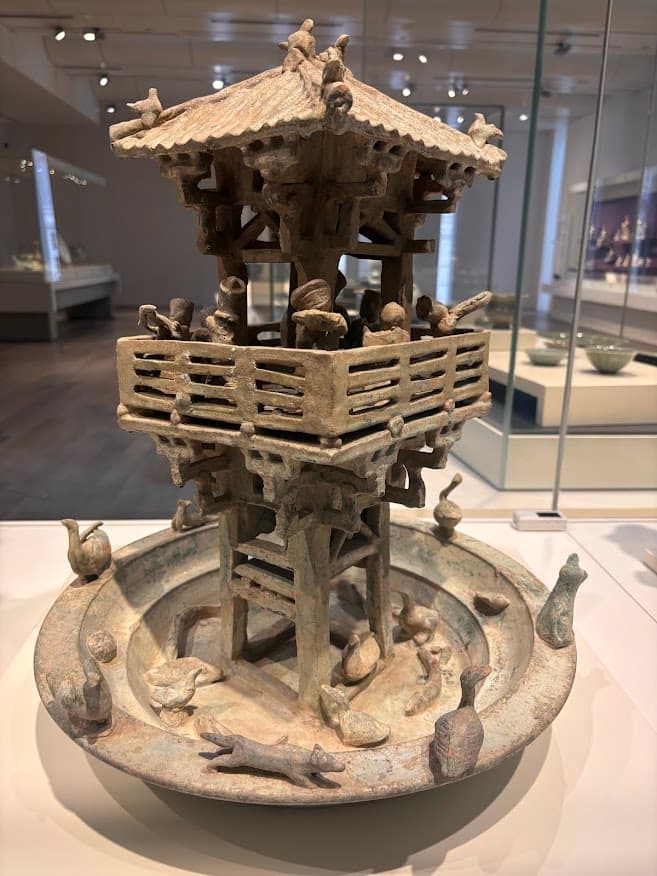
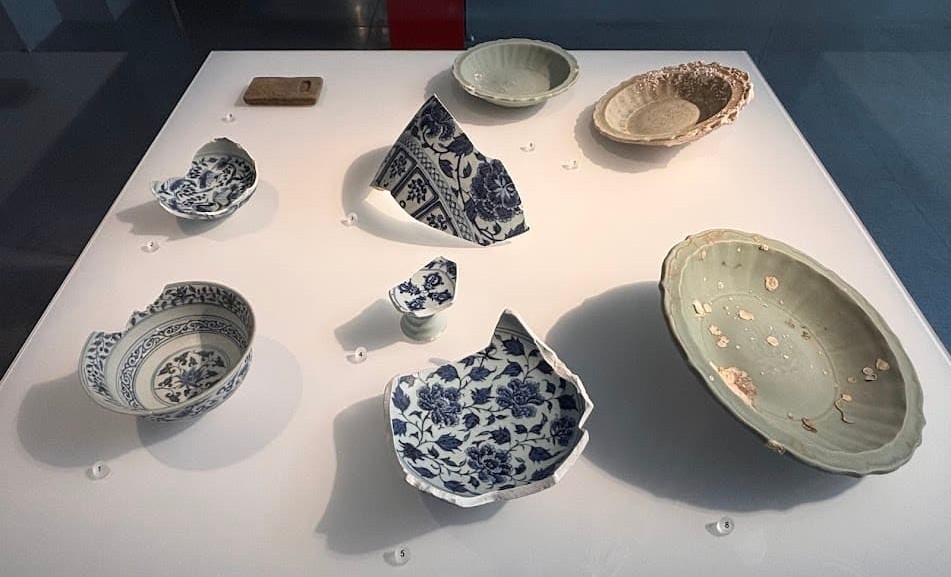
The Ceramics Gallery presented Chinese ceramics from ancient times all the way to the Qing dynasty.
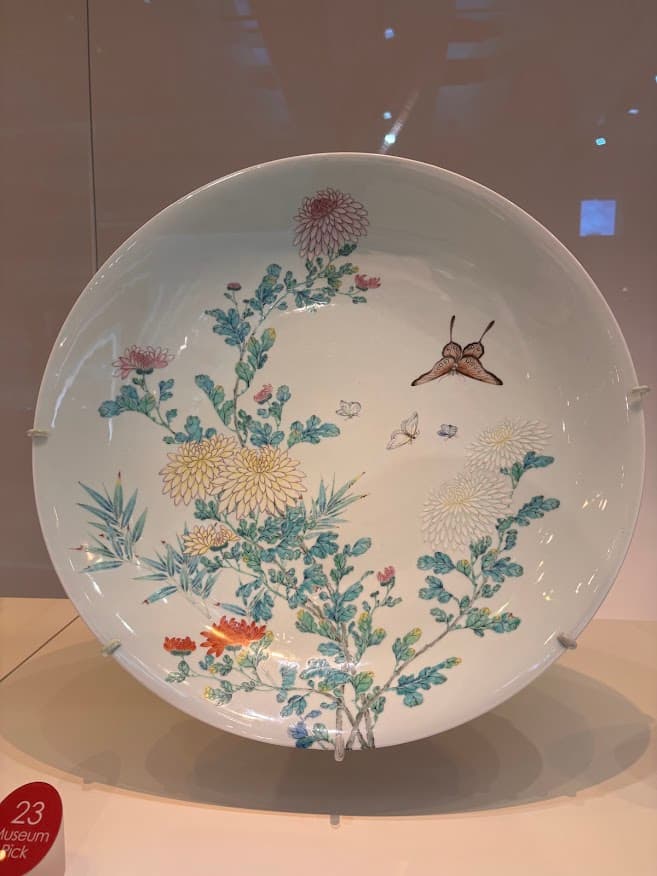
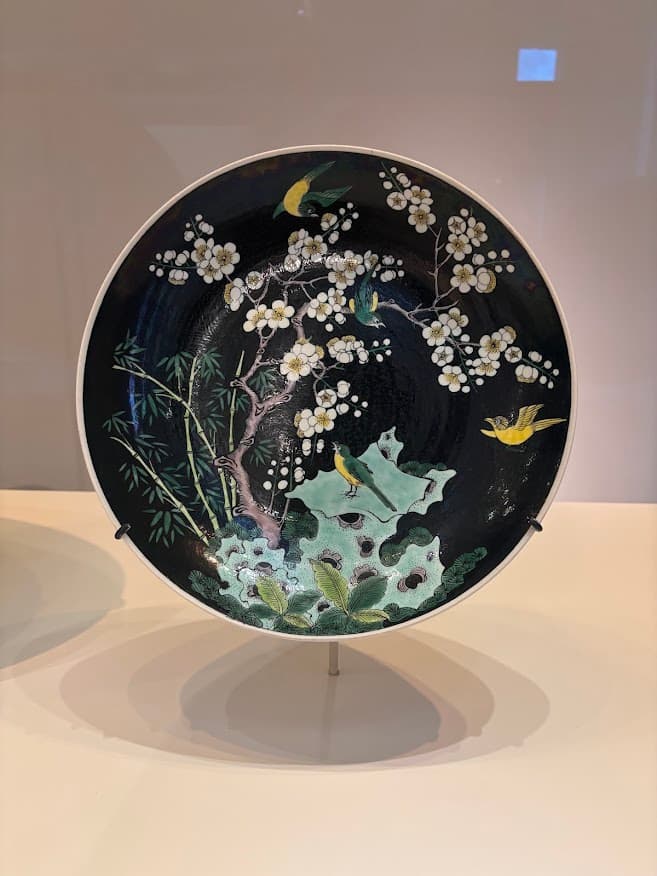
If you have an interest in ceramics, this gallery has a lot to look at. The gallery explained how Chinese ceramics became one of the country’s greatest technological achievements. For centuries, porcelain production techniques were closely guarded secrets, giving China a huge advantage in global trade.
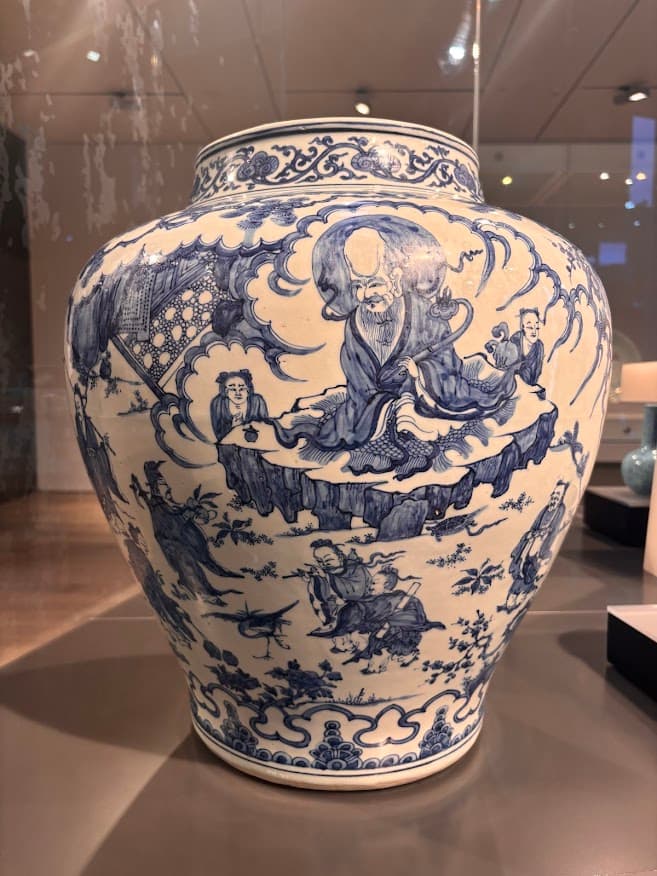
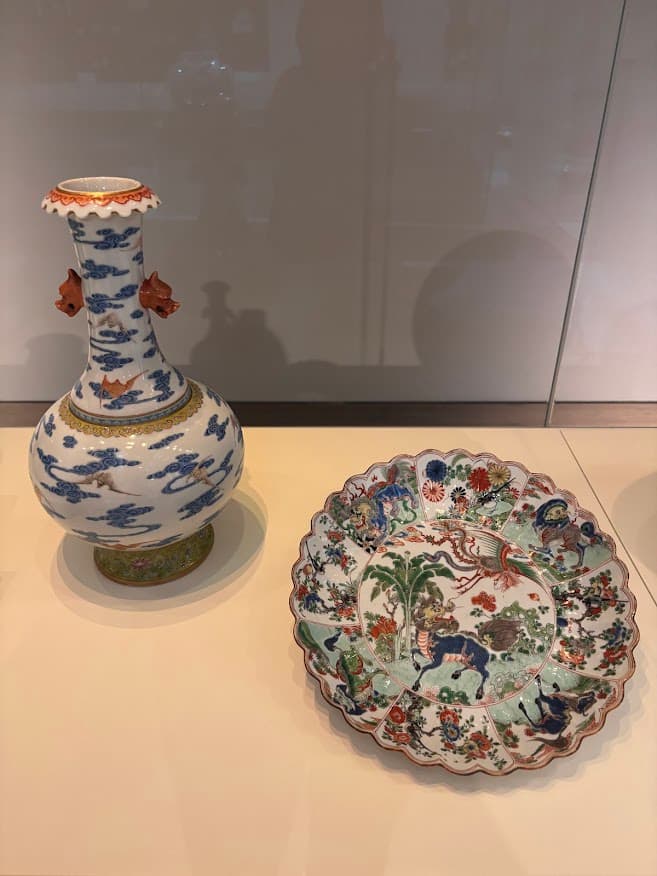
I found it amazing that porcelain was considered so advanced that other countries spent centuries trying to replicate it. Japan only mastered porcelain production in the 17th century, while Europe followed later in the 18th century.
Is the Asian Civilisations Museum Worth Visiting?
ACM has a strong collection and the explanations throughout are clear and easy to read. That said, the layout can be a bit confusing to navigate — I found myself walking back and forth a few times after realising I had missed a gallery and had to retrace my steps more than once.
I think the galleries could do with better signage. Good thing is that there are security personnel stationed at each gallery and they were helpful in pointing me in the right direction.
With that said, ACM covers a lot of ground. It is not a museum that relies on interactive displays or high-tech presentations. The focus is on the artefacts and what they tell us. If that suits your style of visiting, you will likely get a lot out of it.
Allow at least 2 hours. If you want to go through everything properly, closer to 3 is more realistic.